
Central New York Shoplifting Lawyer
Home » Violent Crimes » Theft Crimes » Shoplifting
A single accusation of shoplifting can follow you long after you leave the store, affecting your record, your career, and your future. As a Central New York Shoplifting Lawyer, George F. Hildebrandt, Attorney at Law, represents individuals in Syracuse, Onondaga County, and surrounding communities who are accused of theft crimes and need immediate, strategic defense.
In New York State, shoplifting is prosecuted under larceny law and may be charged as a misdemeanor or felony depending on the value of the property involved. Whether you are accused of petit larceny, grand larceny in the fourth degree, or criminal possession of stolen property, you face serious criminal charges that require prompt action. Shoplifting allegations can lead to lasting criminal consequences that affect employment, education, and future opportunities.
Whether you received a desk appearance ticket for petit larceny or face felony grand larceny charges, Attorney George Hildebrandt understands the criminal process and works to protect your rights while pursuing the strongest possible outcome.
Call (315) 303-6533, toll-free 24 hours a day at (800) 672-3523, or use the online contact form to schedule a free consultation and discuss your shoplifting case. Early legal guidance can help you work toward avoiding a criminal conviction.
New York Shoplifting Laws
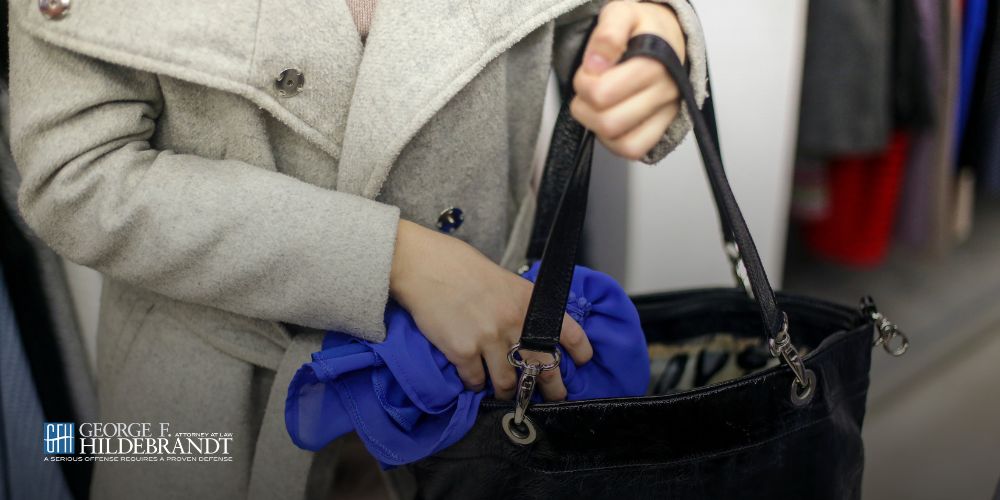
New York defines shoplifting as the wrongful taking of merchandise from a store or retail establishment with the intent to deprive the merchant of possession or the full value of the property. New York classifies shoplifting under its larceny statutes and charges it as either petit larceny or grand larceny, depending on the value of the stolen items.
The prosecution must prove that you intended to steal the merchandise and that you took actions such as concealing items, altering price tags, or leaving the store without paying. Understanding how New York criminal law defines theft is crucial to building an effective defense against shoplifting charges, just as understanding why people shoplift is important when developing defense strategies.
Is New York Not Prosecuting Shoplifting?

While media outlets such as NBC News have reported on changes to prosecution policies in parts of New York, including Syracuse, Onondaga County, and Staten Island, shoplifting in New York continues to be actively prosecuted in Central New York courts. Prosecutors review each case based on the evidence, the value of the items stolen, prior criminal history, and other factors before determining how to proceed.
Store security guards and law enforcement continue to arrest individuals accused of shoplifting, and defendants still face criminal charges, court appearances, and the possibility of jail time or a state prison sentence. The fact that some jurisdictions may handle low-level theft differently does not mean shoplifting goes unpunished in New York State, where, now, mugging is called robbery but still severely punished in New York along with other property crimes.
Desk Appearance Ticket for Misdemeanor Theft Crimes
Many first-time shoplifting cases in New York result in the issuance of a desk appearance ticket rather than formal arrest and bail proceedings. A desk appearance ticket requires you to appear in court on a specific date to answer misdemeanor charges without spending time in jail or posting bail.
While a DAT may seem less serious than an arrest warrant, it still means you face criminal charges that can lead to a criminal conviction, fines, probation, and a permanent criminal record. Failing to appear in court on the date specified on your desk appearance ticket can result in additional charges and a warrant for your arrest.
Petit Larceny vs Grand Larceny Charges in New York
New York law distinguishes between petit larceny and grand larceny based on the value of the property stolen. New York law classifies theft of property valued at $1,000 or less as petit larceny and punishes it as a Class A misdemeanor with up to one year in jail, probation, fines, and restitution. New York law charges theft of property valued at more than $1,000 as grand larceny, a felony that ranges from a Class E to a Class B offense depending on the value of the stolen items.
Understanding when theft becomes a felony in New York is critical for defendants facing shoplifting charges, as grand larceny in the fourth degree applies to property valued between $1,000 and $3,000, while higher degrees involve progressively greater amounts and carry longer prison sentences and more severe consequences.
Criminal Possession of Stolen Property in New York
In addition to theft charges, prosecutors may charge defendants with criminal possession of stolen property if they believe you knowingly possessed items stolen from a store or another person. Even if you did not personally take the merchandise, possession alone may lead to a separate theft charge. The severity of the charge depends on the value of the property and whether the offense qualifies as a misdemeanor or felony under New York criminal law.
Common Types of Shoplifting Cases in Onondaga County

Concealment is the most common form of shoplifting and involves hiding merchandise in clothing, bags, purses, or other containers with the intent to leave the store without paying. Price tag switching involves removing price tags from expensive items and replacing them with tags from less expensive merchandise to pay a lower price at checkout, demonstrating a clear intent to defraud the merchant. Organized retail theft involves groups of individuals working together to steal large quantities of merchandise for resale or profit, often resulting in felony grand larceny charges due to the high value of the stolen property, and may include charges similar to those handled by a Syracuse identity theft lawyer when stolen credit cards or personal information are involved.
Return fraud occurs when individuals return stolen merchandise to stores for cash refunds or store credit without having purchased the items, using fake receipts, or making fraudulent claims about defective products. Employee theft involves store workers stealing merchandise, cash, or other property from their employers through various means, such as taking items without paying, manipulating cash registers, or giving unauthorized discounts to friends and family, often resulting in more severe penalties due to breach of trust.
Punishment for Shoplifting in New York
Shoplifting penalties in New York vary significantly depending on the value of the stolen property, the defendant’s criminal history, and whether the charge is a misdemeanor or a felony. Petit larceny is treated as a class A misdemeanor for property valued at $1,000 or less, while grand larceny charges escalate from a class E felony to a class B felony as the value of the stolen items increases. First-time offenders may be eligible for diversion programs, community service, or conditional discharge, while repeat offenders face enhanced penalties, including longer jail sentences, state prison time, and substantial fines.
Misdemeanor Petit Larceny
Petit larceny is a class A misdemeanor in New York and carries penalties including up to one year in jail, three years of probation, fines, restitution to the merchant, and community service. Most misdemeanors allow judges discretion in sentencing based on factors such as the defendant’s criminal history, the circumstances of the offense, and whether the defendant shows remorse or accepts responsibility.
Felony Grand Larceny Thresholds
Grand larceny charges in New York increase in severity based on the value of the property involved. Grand larceny in the fourth degree, a class E felony, applies when the property is valued between $1,000 and $3,000. Grand larceny in the third degree is a class D felony for property valued between $3,000 and $50,000. When the value exceeds $50,000 and is less than $1 million, the charge becomes grand larceny in the second degree, a class C felony.
Grand larceny in the first degree is a class B felony and applies to property valued at more than $1 million or certain specified types of property, including cases involving a stolen credit card used to obtain goods.
Each felony level carries increasingly severe sentencing guidelines. A class E felony can lead to state prison depending on prior convictions. A class D felony or a class C felony exposes defendants to longer potential prison terms, while a class B felony carries significant exposure to state prison. In determining a sentence, judges consider the value of the property, the defendant’s prior record, and the surrounding circumstances.
A felony grand larceny conviction can come with collateral consequences that affect employment opportunities, professional licensing, housing eligibility, and other aspects of daily life.
Enhanced Penalties for Repeat Offenders
Defendants with prior theft convictions face enhanced penalties under New York’s repeat offender statutes, which can increase both the classification of the offense and the sentencing guidelines. A person convicted of petit larceny who has a prior petit larceny conviction within the past five years may be charged with a class E felony rather than a misdemeanor.
Multiple felony convictions can result in designation as a persistent felony offender, which can lead to significantly longer prison sentences. Courts and prosecutors view repeat shoplifting offenders as a greater risk to the community and are less likely to offer favorable plea deals or diversion programs to defendants with extensive criminal records.
Punishment for Juvenile Shoplifting in New York
Juveniles accused of shoplifting in New York are typically handled through the family court system rather than adult criminal court, with proceedings focused on rehabilitation rather than punishment. However, juveniles aged 16 and 17 may be prosecuted as adults for certain theft crimes, and those with prior records or who commit serious offenses may face more severe consequences.
Juvenile shoplifting cases may result in probation, community service, restitution, counseling, or placement in juvenile detention facilities, depending on the severity of the offense and the juvenile’s history. Parents should consult with an experienced criminal defense attorney immediately to protect their child’s rights and future opportunities.
Civil Liability and Retailer Civil Demand Letters in Onondaga County
In addition to criminal charges, Individuals accused of shoplifting may face civil liability under New York law, meaning merchants are permitted to sue for damages even if the criminal case is dismissed. Merchants are permitted to sue shoplifters for up to five times the retail value of the stolen merchandise plus court costs and attorney fees, even if the items were recovered undamaged.
Many retailers use law firms that specialize in sending civil demand letters to individuals arrested or accused of shoplifting, demanding payment within a specific timeframe to avoid further legal action. Paying a civil demand does not resolve criminal charges or prevent prosecution, and defendants should consult with an attorney before responding to these letters.
Common Criminal Defense Strategies for Shoplifting Charges in Central New York

Attorney Hildebrandt employs various defense strategies depending on the circumstances of each shoplifting case, including challenging the evidence of intent to steal, arguing lack of criminal possession, questioning the identification of the defendant as the person who committed the theft, and examining whether store security or police violated constitutional rights during the investigation or arrest.
In some instances, defendants may have accidentally failed to pay for items, placed merchandise in a bag or pocket without realizing it, or been wrongly accused by store security guards who misidentified the person concealing goods. Successful defense often depends on thoroughly investigating the facts, interviewing witnesses, reviewing security camera footage, and identifying weaknesses in the prosecution’s case that can lead to reduced charges or case dismissal.
Community Service and Diversion Programs for First-Time Shoplifting Cases in Onondaga County
First-time offenders charged with petit larceny or misdemeanor shoplifting may be eligible for diversion programs that allow them to avoid a criminal conviction by completing community service, theft education classes, restitution payments, and other requirements set by the court. Successful completion of a diversion program typically results in the charges being dismissed, meaning the defendant will not have a permanent criminal record.
However, failing to complete the program requirements can result in prosecution proceeding on the original charges with the possibility of conviction, jail time, and a criminal record. An experienced shoplifting defense lawyer can help you determine whether you qualify for diversion programs and ensure you meet all requirements to secure a case dismissal.
Why You Need a Syracuse Shoplifting Defense Lawyer
Shoplifting charges may seem minor, but a criminal conviction can have lasting consequences that affect your ability to find employment, secure housing, obtain professional licenses, and maintain educational opportunities. Prosecutors and judges have discretion in how they handle shoplifting cases, and having an experienced criminal defense attorney can mean the difference between a dismissed case, reduced charges, diversion program eligibility, or a conviction with jail time and a permanent criminal record.
Attorney Hildebrandt understands the local courts, prosecutors, and judges in Syracuse and Onondaga County, and he knows how to build strong defenses that protect your rights and fight for the best possible outcome. If you face shoplifting charges or need a Syracuse, New York theft lawyer to handle other property crimes, don’t hesitate to contact the law offices of George F. Hildebrandt to schedule a free consultation and learn how an experienced New York shoplifting lawyer can help you navigate the criminal justice system.
Contact a Syracuse, New York Shoplifting Attorney For a Free Consultation

If you were arrested, issued a desk appearance ticket, or charged with shoplifting, petit larceny, grand larceny, or any other theft crime in New York, do not delay. Early intervention during the criminal process can make a significant difference in the outcome of your case. Contact the Law Offices of George F. Hildebrandt today to schedule a free consultation and begin building a strong defense strategy. Use our online contact form or call (315) 303-6533 or toll-free 24/7 at (800) 672-3523 to speak to an experienced criminal defense attorney now.