Home » Drug Crimes » Drug Smuggling
New York Drug Smuggling Lawyer
If you’re facing drug smuggling charges in New York, you need an experienced New York drug smuggling lawyer. George F. Hildebrandt defends clients throughout New York State against federal drug trafficking and drug importation charges that carry mandatory minimum sentences and possible life imprisonment. Attorney Hildebrandt provides aggressive defense in cases investigated by the DEA, Customs and Border Protection, and other federal agencies at JFK Airport, the Port of New York, and throughout New York City, Syracuse, Long Island, and surrounding areas.
For a free consultation, use the online contact form, call the law firm directly at 315-303-6533, or call toll-free 24/7 at (800) 672-3523.
Criminal Defense for Federal Drug Trafficking Charges and Smuggling Charges in New York
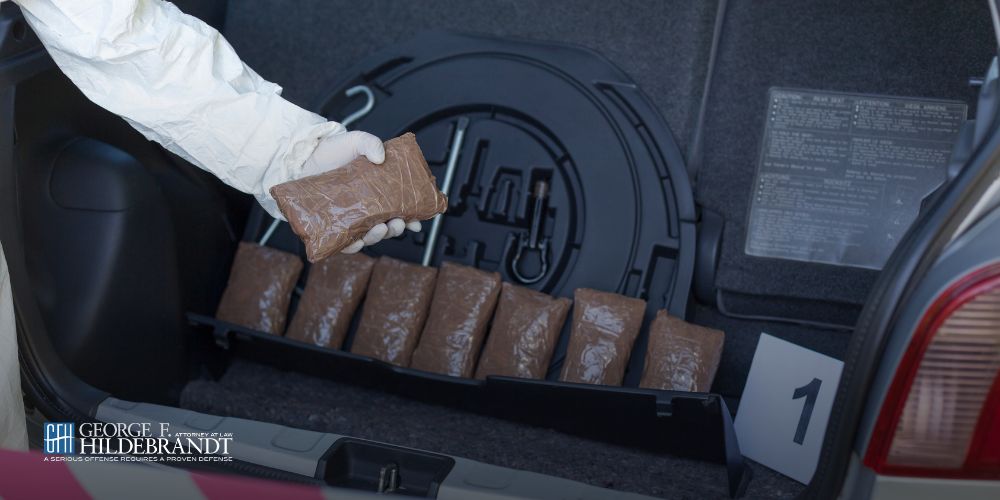
Criminal defense attorney George F. Hildebrandt defends clients throughout New York facing federal drug trafficking charges and smuggling charges prosecuted by the federal government in federal court. Drug trafficking offenses trigger an investigation by multiple agencies, including the DEA, FBI, Homeland Security, and Customs and Border Protection, working in coordination.
Federal prosecutors aggressively pursue drug smuggling convictions with extensive resources and tactics designed to secure long prison sentences and substantial fines.
Understanding Federal Offenses for Drug Distribution, Drug Trafficking, and Drug Importation in New York
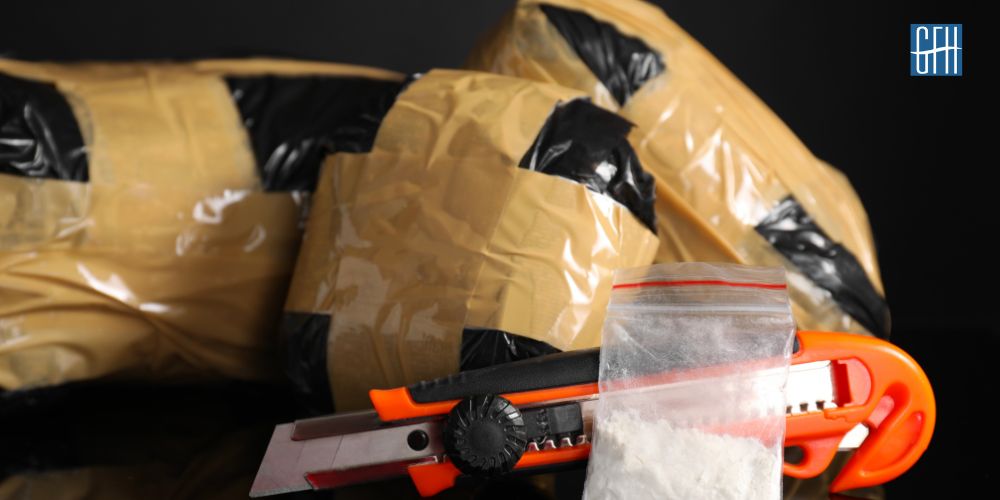
Federal drug laws criminalize the importation, distribution, and trafficking of controlled substances, including cocaine, heroin, fentanyl, methamphetamine, and marijuana. Drug importation charges apply when individuals bring illegal drugs or certain prescription drugs into the United States in violation of federal law and FDA regulations.
What Constitutes Drug Importation Under Federal Law?
Drug importation involves bringing controlled substances into the United States from countries including Canada, Mexico, and other drug sources. No minimum quantity is required; even small amounts can result in federal prosecution if drugs cross international borders. Conspiracy to import drugs carries equal federal penalties to actual importation.
Possession of Drugs on an Aircraft or Boat With Intent to Distribute
Federal law criminalizes possession of controlled substances on aircraft or boats with the intent to distribute. Possession on aircraft includes drugs concealed in luggage, body packing by couriers, and cargo shipments arriving at airports like JFK. Maritime drug smuggling involves drugs hidden in vessels, cargo containers, and private boats entering New York waters.
Drug Smuggling vs Trafficking
Drug smuggling involves crossing international borders to bring controlled substances into the United States. Drug trafficking focuses on the manufacturing, distribution, and sale of illegal drugs, occurring within the U.S. or across state lines. Many cases involve both charges when defendants import drugs and then distribute them domestically.
Federal Agencies Investigating Drug Smuggling in New York
Multiple federal law enforcement agencies investigate drug smuggling in New York, coordinating resources and sharing intelligence to dismantle criminal networks. The Drug Enforcement Administration (DEA) leads federal drug investigations and operates the New York Division headquarters, coordinating undercover operations.
Customs and Border Protection (CBP) screens cargo and passengers at JFK Airport and the Port of New York, seizing drugs and making arrests. The Federal Bureau of Investigation (FBI) investigates organized crime groups controlling drug distribution, while Homeland Security Investigations targets drug trafficking schemes, and Immigration and Customs Enforcement (ICE) handles cases involving foreign nationals.
Drug Enforcement Administration (DEA) Investigation
The DEA New York Division conducts undercover operations throughout New York City and coordinates with the NYPD to investigate drug distribution networks. Informants infiltrate trafficking operations while DEA agents make controlled purchases, conduct surveillance, execute search warrants, and make arrests.
Federal Law Enforcement Agencies Operating in New York
CBP operates at JFK Airport and the Port of New York, screening passengers, luggage, cargo, and mail. The FBI investigates organized crime controlling drug distribution, while Homeland Security Investigations targets international trafficking schemes. The U.S. Postal Inspection Service monitors suspicious packages and conducts controlled deliveries.
Federal Government Joint Task Operations in New York
Organized Crime Drug Enforcement Task Forces coordinate federal agents with state and local agencies to investigate large-scale trafficking operations. Multi-agency investigations track networks from source countries through importation to distribution, targeting entire criminal enterprises from leadership to street-level dealers.
Federal Investigation Process for Drug Smuggling Charges in New York
Federal investigations follow systematic processes that involve surveillance, physical evidence gathering, informant operations, and coordination with other federal agencies. Investigations may span months or years as agents build cases documenting trafficking operations and identifying participants.
Surveillance and Monitoring
Federal agencies conduct extensive surveillance, including wiretaps on communications and GPS tracking of vehicles, to document travel patterns. Syracuse wiretaps lawyers can challenge the legality of electronic surveillance and wiretap evidence. Agents monitor residences, businesses, and financial transactions, including bank accounts and wire transfers, suggesting drug proceeds.
New York Border Interdiction and Seizure
CBP screens passengers, luggage, and cargo at JFK Airport arriving from source countries. Inspections at the Port of New York target commercial shipments and vessels suspected of concealing controlled substances. Drug seizures also occur at mail facilities, and controlled deliveries allow federal agents to arrest recipients.
Informants and Undercover Operations
Confidential informants provide intelligence about drug sources, trafficking methods, and key participants. Federal agents make undercover purchases to document transactions and build cases. Cooperation agreements incentivize arrested individuals to testify against others, while undercover agents may pose as suppliers, transporters, or buyers.
Common Methods For Smuggling Drugs in New York
Drug smugglers employ various methods to import controlled substances into New York. New York state drug crime attorneys examine specific smuggling methods in each case to identify prosecution weaknesses and develop effective defense strategies.
JFK Airport Drug Smuggling
Drugs are concealed in luggage from source countries, including Colombia and Mexico. Body packing involves couriers swallowing drug packages to avoid detection. Cargo shipments contain drugs hidden among legitimate goods, while CBP uses screening technology, drug-sniffing dogs, and targeted inspections.
Port of New York Maritime Smuggling
Cocaine and other drugs enter through the Port of New York concealed in commercial cargo, shipping containers, and private vessels from South America. Coast Guard interdiction operations stop and search vessels suspected of drug smuggling before they reach port.
Mail and Package Drug Importation
Fentanyl and other controlled substances arrive through postal services from China, Mexico, and other countries. Controlled delivery operations involve federal agents delivering packages and arresting recipients. Prescription drugs imported without FDA approval violate federal law even when legal elsewhere.
Drug Smuggling On the Border
Drugs are transported from Canadian or Mexican borders through commercial trucking, personal vehicles, and cross-border routes. CBP uses vehicle inspections, technology screening, and checkpoints to intercept smuggling attempts.
Criminal Defense for New York Drug Trafficking Operations
Drug trafficking operations range from large-scale networks controlled by drug cartels to street-level distribution. Federal prosecution targets all levels, charging participants with conspiracy and substantive drug crimes.
Large-Scale New York Drug Trafficking Networks
Drug cartels supply New York wholesale markets with cocaine, heroin, fentanyl, and other controlled substances. Organized crime groups divide New York City and the surrounding areas into distribution zones, while multi-state networks transport drugs to other states. Fighting drug manufacturing and cultivation charges in New York requires defending clients facing charges related to operations that produce drugs, including processing raw materials into finished products for distribution.
New York Drug Distribution At the Street-Level
Street-level distribution occurs throughout New York City boroughs, including Manhattan, Brooklyn, Queens, the Bronx, and Staten Island, as well as Long Island and Westchester. Street-level dealers are often connected to larger trafficking organizations.
Controlled Substances in New York Smuggling and Trafficking Cases
Federal drug laws classify controlled substances into schedules based on medical use and abuse potential. New York smuggling and trafficking cases involve various controlled substances with penalties varying by drug type and quantity.
Heroin Smuggling and Trafficking
Heroin is a Schedule I narcotic with severe penalties. Smuggling occurs through JFK Airport, maritime ports, and mail shipments. Federal penalties include 5-40 years for 100+ grams and 10 years to life for 1+ kilogram.
Cocaine Trafficking and Smuggling
Cocaine is a Schedule II drug trafficked by drug cartels and organized crime groups. Smuggling methods include cargo concealment, body packing, and maritime shipments. A New York cocaine lawyer can defend against federal penalties that include 5-40 years for 500+ grams and 10 years to life for 5+ kilograms.
Fentanyl Trafficking and Smuggling
Fentanyl is a synthetic opioid with severe federal penalties due to its potency. Legal defense for synthetic drug charges in New York is necessary when facing smuggling charges that occur primarily through mail packages from China and Mexico. Federal penalties include 5-40 years for 40+ grams and 10 years to life for 400+ grams.
Methamphetamine Trafficking and Smuggling
Methamphetamine is a Schedule II stimulant trafficked in powder and crystal forms. Smuggling drugs involves importation from Mexican cartels and domestic production. Federal penalties include 5-40 years for 50+ grams.
Marijuana Trafficking and Smuggling
Marijuana remains a Schedule I controlled substance under federal law despite state legalization. Trafficking large quantities triggers severe federal penalties. Federal penalties include 5-40 years for 100+ kilograms.
Importing Prescription Drugs
Effective defense for prescription drug crimes in New York involves defending cases related to importing prescription drugs in violation of federal law. While FDA guidance permits limited personal importation in narrow circumstances, illegal importation occurs when quantities exceed personal use limits, drugs lack FDA approval, or safety regulations are violated.
Federal Penalties for Drug Smuggling Convictions
Federal penalties include mandatory minimum sentences that judges must impose regardless of circumstances, along with substantial fines. Sentencing depends on drug type, quantity, prior offenses, and role in the offense.
Mandatory Minimum Sentences For Federal Drug Smuggling Charges
- Cocaine 500+ grams: 5-40 years in New York federal court
- Cocaine 5+ kilograms: 10 years to life imprisonment
- Heroin 100+ grams: 5-40 years in New York federal court
- Heroin 1+ kilogram: 10 years to life imprisonment
- Fentanyl 40+ grams: 5-40 years in New York federal court
- Fentanyl 400+ grams: 10 years to life imprisonment
- Methamphetamine 50+ grams mixture: 5-40 years
- Marijuana 100+ kilograms: 5-40 years
Enhanced Penalties for Importing Illegal Drugs
Prior offenses double mandatory minimum sentences. Death or serious bodily injury from drug use triggers enhanced penalties of 20 years to life. Firearms involvement, leadership roles, and large quantities all increase sentences under federal sentencing guidelines.
Additional Consequences For Being Convicted Of Federal Drug Charges
Convictions result in long prison sentences in federal facilities without parole, with prisoners serving at least 85% of their sentences. Substantial fines reaching millions of dollars may be imposed. Asset forfeiture allows the government to seize property and proceeds connected to drug crimes. Non-citizens face deportation, and lifetime criminal records affect employment, housing, and civil rights.
Drug Trafficking and Smuggling Defense Strategies in New York State
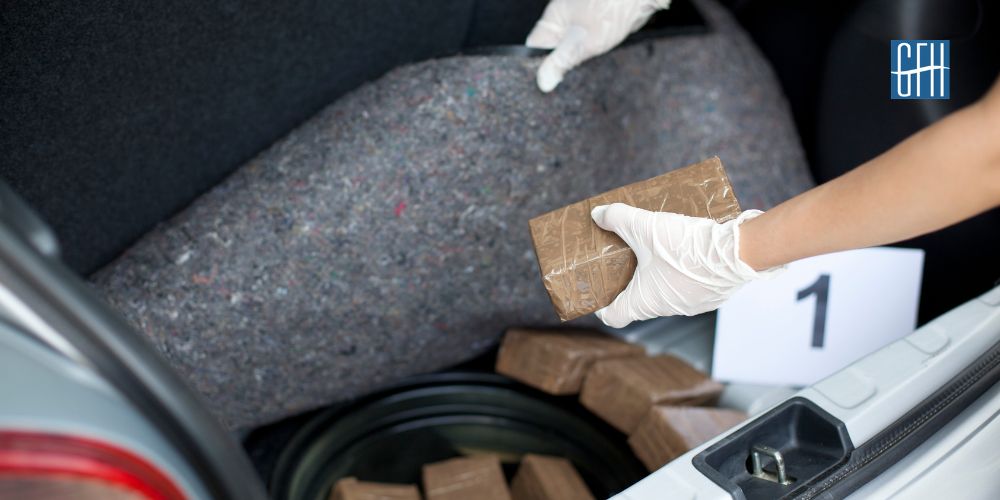
Effective defense strategies challenge government evidence, protect constitutional rights, and present alternative explanations. Common defenses include challenging illegal searches, disputing drug quantity, proving mistaken identity, and demonstrating a lack of knowledge.
Mistaken Identity and Lack of Knowledge
Defendants may lack awareness that drugs were present in vehicles, packages, or luggage. Mistaken identity occurs when investigations misidentify suspects. Unwitting couriers may transport packages without knowing the contents include illegal drugs, lacking the criminal intent required for conviction.
Illegal Search and Seizure and Other Constitutional Violations
Challenging search and seizures in New York is important when unlawful searches without probable cause violate Fourth Amendment rights and require evidence suppression. Miranda violations occur when law enforcement fails to advise defendants of their rights before interrogation. Denial of the right to legal counsel violates the Sixth Amendment, while due process violations require either dismissal of the charge or suppression of evidence.
Challenging Evidence and Chain of Custody in Federal Drug Crimes
Defense attorneys challenge drug-quantity calculations used to determine sentencing, particularly when moisture or packaging inflates the amounts. Chain of custody errors create reasonable doubt about whether substances presented at trial are materials seized. Unreliable informant testimony can be challenged through cross-examination.
Entrapment, Coercion, and Duress Defense Strategies
Entrapment occurs when the government induces defendants to commit crimes they were not predisposed to commit. Coercion defenses apply when defendants acted under threats from cartels or organized crime groups. Human trafficking victims used as couriers may have duress defenses based on exploitation and lack of meaningful choice.
Federal Sentencing Guidelines for Drug Smuggling Charges
Federal sentencing guidelines calculate sentence ranges based on drug type and quantity. Role adjustments affect sentences for leaders, organizers, managers, or minimal participants. Criminal history and acceptance of responsibility impact final sentences.
Safety Valve Relief in Federal Drug Trafficking Charges
Safety valve provisions allow first-offense defendants to avoid mandatory minimums if they meet specific criteria. Defendants cannot have used firearms or violence, caused death or serious injury, or been leaders of operations. A Syracuse drug treatment court lawyer can help defendants explore alternative sentencing options and diversion programs. Full cooperation with the government is required for safety valve relief.
Drug Trafficking Charges in New York State
New York state prosecutes drug trafficking under state laws, including criminal sale of controlled substances and operating as a major drug trafficker. State charges are prosecuted in New York state courts with different penalties than federal law.
New York Drug Trafficking Laws
Criminal sale of controlled substances prohibits selling or offering to sell illicit drugs. Criminal possession with intent to sell criminalizes holding drugs in quantities indicating distribution. Operating as a major trafficker targets individuals, directing large-scale operations. New York Penal Law penalties range from low-level offenses to A-I felonies carrying potential life sentences.
Federal vs New York State Prosecution for Drug Trafficking Charges
Large quantities are typically prosecuted federally because federal penalties are more severe. International smuggling is always federal because importation involves federal jurisdiction. Drug cartels are prosecuted federally due to their interstate and international scope, while New York may prosecute smaller street-level cases.
Why Hire a Drug Smuggling and Trafficking Defense Lawyer in New York
Drug smuggling charges involve complex legal issues, severe mandatory sentences, and aggressive government tactics requiring experienced representation. A Syracuse, NY drug crime lawyer understands federal drug laws, investigation tactics, evidence rules, and sentencing guidelines. Early legal counsel helps preserve defenses and negotiate from positions of strength.
Contact a New York Drug Smuggling Attorney For a Free Consultation
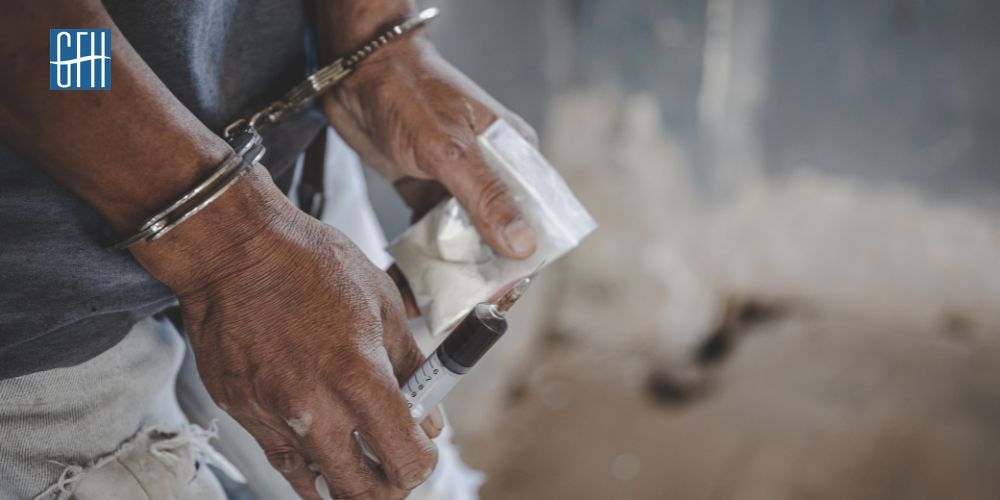
If you face drug smuggling charges, federal drug trafficking prosecution, or investigation by the DEA or other federal law enforcement agencies in New York, contact New York drug smuggling attorney George F. Hildebrandt. He will review the charges against you, analyze the government’s evidence, explain your legal options, and develop a defense strategy designed to protect your rights and freedom.
Call the law firm directly at 315-303-6533, toll-free 24/7 at (800) 672-3523, or use the online contact form to schedule your free consultation and learn how dedicated legal representation can make a critical difference in your federal drug case.
Practice Areas
- Drug Crimes
- Conspiracy
- Drug Crimes: Cocaine
- Drug Crimes: Prescription Drugs
- Drug Manufacturing and Cultivation
- Drug Smuggling / Illegal Importation
- Judicial Diversion / Drug Treatment Court
- Search and Seizure
- State Drug Crimes
- Synthetic drugs
- Wiretaps
- DWI/DUI
- White Collar
- Federal Crimes
- Violent Crimes