Home » Drug Crimes » Judicial Diversion/Drug Court
Syracuse, New York Drug Court Lawyer
If you’re facing drug charges in Central New York, a Syracuse, New York, drug court lawyer can help you explore alternatives to incarceration through New York diversion programs. Drug courts in New York offer non-violent offenders with substance abuse issues an alternative to incarceration through comprehensive treatment programs combined with judicial supervision. George F. Hildebrandt provides legal defense for individuals seeking entry into New York diversion programs, including Article 216 judicial diversion, pretrial diversion, and specialized treatment courts. Successful completion of drug treatment court programs allows participants to avoid lengthy jail sentences and potentially have criminal charges reduced or dismissed.
Contact our office for a free consultation, use the contact form, call the law firm directly at (315) 303-6533, or call toll-free 24/7 at (800) 672-3523 to determine if you qualify for drug court and how we can help you navigate the application process.
Legal Defense for New York State Drug Court
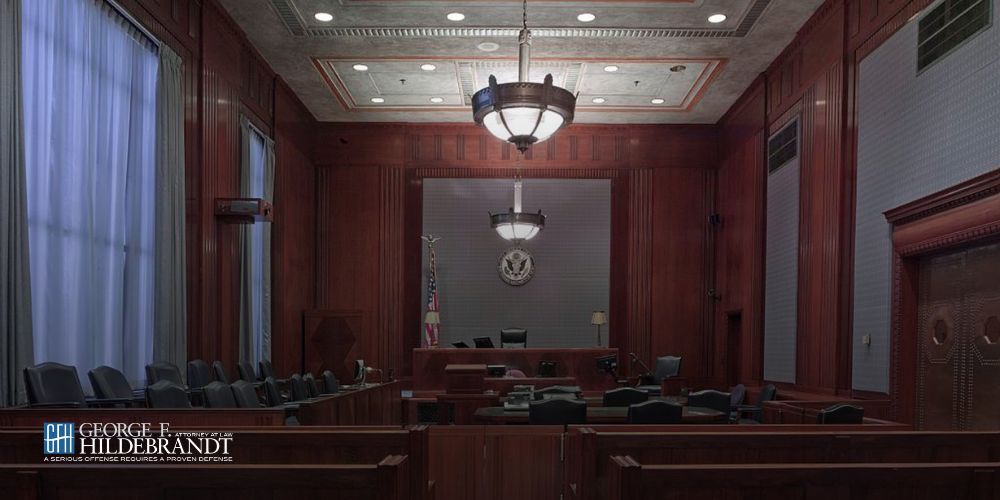
New York drug courts operate through problem-solving courts that effectively address substance abuse issues underlying criminal behavior while holding participants accountable. These treatment courts require eligible defendants to plead guilty or be convicted before entering programs combining intensive substance abuse treatment with periodic court appearances.
Defense attorneys play a critical role in securing approval from prosecutors and judges, advocating for client acceptance, and ensuring clients understand program requirements. George F. Hildebrandt represents clients throughout the entire process, from initial application through final disposition.
Types of New York Diversion Programs Defense Lawyer George Hildebrandt Assists With
New York offers various diversion programs designed for different offenses and offender populations, each with specific eligibility criteria and treatment requirements. Defense lawyer George Hildebrandt assists clients in New York with judicial diversion programs, pretrial diversion, specialized treatment courts, including mental health and veterans courts, and alternative sentencing programs.
Understanding which program best fits your case requires analyzing charges, criminal history, substance abuse needs, and treatment availability. Experienced Syracuse drug crimes lawyer George Hildebrandt evaluates all available options and advocates for acceptance into programs offering the best opportunity for successful completion and favorable case outcomes.
Article 216 Judicial Diversion Program – Alcohol or Substance Abuse Treatment for Felony Offenses
Article 216 judicial diversion allows eligible defendants facing non-violent felony offenses to enter court-supervised treatment programs in lieu of institutional confinement. Entry requires a guilty plea and agreement to complete comprehensive substance abuse treatment, including residential programs, outpatient services, and ongoing monitoring.
Successful graduates may receive reduced charges, probation instead of prison, or youthful offender status for eligible individuals. The court may withdraw acceptance and proceed to sentencing if participants fail to comply with program rules.
Pretrial Diversion Program
Unlike Article 216, pretrial diversion allows eligible defendants to participate in treatment and supervision before conviction, preserving clean criminal records if they complete the program successfully. Charges are dismissed upon meeting all requirements, making this option particularly valuable for first-time offenders.
Prosecutors and judges must approve or decline applications after considering the offense charged, the defendant’s criminal history, and the likelihood of successful participation. Failure to complete pretrial diversion results in prosecution proceeding on original charges.
Misdemeanor Drug Treatment Court
Misdemeanor offense drug treatment courts serve individuals charged with less serious offenses related to substance abuse who need treatment intervention. These specialized courts combine treatment services with judicial supervision through regular appearances and monitoring.
Entry requires a guilty plea and agreement to complete counseling, drug testing, and compliance with court orders. Graduates typically receive reduced sentences, conditional discharge, or case dismissal depending on program terms.
DWI Rapid Intervention, Verification, Evaluation And Rehabilitation Program (DRIVER)
The DRIVER program provides intensive alcohol treatment and supervision for individuals charged with DWI offenses who demonstrate alcohol abuse issues. Enrollees undergo evaluation, complete tailored treatment programs, and submit to frequent testing. Graduates benefit through reduced charges or favorable sentencing.
New York Juvenile Diversion Programs
Juvenile diversion programs redirect young offenders into treatment and support services addressing underlying issues contributing to delinquent behavior. These programs offer counseling, education support, family services, and substance abuse treatment. Charges are typically dismissed upon completion, allowing young people to avoid criminal records.
New York Problem Solving Courts
Problem-solving courts address specific issues such as mental health, domestic violence, and veterans’ needs through coordinated treatment and judicial supervision. Unlike traditional criminal courts that focus on punishment, these specialized programs address root causes of criminal behavior while supporting recovery and reducing recidivism.
Mental Health Court
Mental health courts serve individuals with diagnosed mental health conditions whose offenses are linked to psychiatric symptoms or failure to maintain treatment. Enrollees are connected to mental health services, medication management, housing support, and case management addressing their needs.
Magistrates trained in mental health issues conduct regular compliance hearings, adjusting requirements based on progress and challenges. Stabilizing mental health conditions and adhering to treatment lead to favorable outcomes, including charge reductions or dismissals.
Veterans Treatment Court
Veterans treatment courts recognize unique challenges faced by military veterans, including PTSD, traumatic brain injury, substance abuse, and difficulties transitioning to civilian life. Veteran enrollees are connected to VA services, peer mentors who are fellow veterans, and treatment specifically designed for military-related trauma.
Judges work with VA staff and veterans service organizations to ensure enrollees receive benefits and services they earned through military service. This collaborative approach helps veterans address issues underlying criminal charges while honoring their service through supportive rather than purely punitive responses.
TASC (Treatment Alternatives for Safer Communities)
TASC provides community-based treatment alternatives through partnerships with courts and law enforcement. The program conducts assessments, develops treatment plans, and monitors compliance, serving as the link between treatment providers and the criminal justice system.
New York Alternative Sentencing Programs
Alternative sentencing programs offer convicted defendants options other than traditional incarceration, focusing on rehabilitation, restitution, and community supervision. Recognizing that institutional confinement is not always the most effective response to crime, particularly for non-violent offenders willing to make positive changes, these programs provide different pathways.
Defense attorneys advocate for options including drug treatment programs, probation with special conditions, community service, and electronic monitoring. Successfully completing requirements demonstrates rehabilitation and allows individuals to avoid prison while addressing issues that contributed to criminal behavior.
Probation Eligible Diversion Program (PED)
The Probation Eligible Diversion Program allows eligible defendants to complete supervision and treatment requirements, resulting in case dismissal rather than conviction. Agreement to program terms includes substance abuse evaluation and treatment, regular meetings with probation staff, drug testing, and compliance with all court orders.
Lasting typically six months to one year, depending on individual needs and progress, the program results in charges being dismissed and sealed upon completion. This allows defendants to avoid criminal convictions that would impact employment, housing, and other opportunities.
Drug Treatment Alternative to Prison (DTAP)
DTAP provides intensive residential treatment as an alternative to state prison for individuals facing drug-related felony charges who would otherwise receive prison sentences. The program requires entry into long-term residential treatment facilities where enrollees receive comprehensive services, including addiction treatment, mental health counseling, vocational training, and life skills education.
Completing 15-24 months of residential treatment followed by aftercare requirements, DTAP has demonstrated success in reducing recidivism by addressing addiction through intensive treatment rather than relying solely on incarceration.
How New York State Drug Court Works
Syracuse drug treatment court lawyer George Hildebrandt helps clients navigate New York drug courts, which operate through a collaborative model involving judges, prosecutors, defense attorneys, treatment providers, and probation staff working together to support recovery. Combining accountability through judicial supervision with support through comprehensive treatment services and case management, the program uses intensive oversight.
Enrollees appear regularly before drug court judges who monitor progress, impose graduated sanctions for non-compliance, and provide rewards for achievements. This model has proven effective in reducing drug use, criminal activity, and incarceration while supporting long-term recovery.
New York Drug Court Process
Entry begins with an initial assessment and evaluation, determining treatment needs and program eligibility. Treatment providers then develop individualized plans addressing each person’s specific substance abuse issues, mental health needs, and life circumstances. Regular court appearances before drug court judges allow review of progress, input from treatment providers, and adjustment of requirements based on individual needs.
Frequent drug testing and monitoring ensure sobriety compliance and allow early detection of relapse. The graduated sanctions and rewards system holds enrollees accountable for violations while recognizing and celebrating achievements and milestones. Typically lasting 12-24 months, depending on jurisdiction, charge severity, and individual progress through treatment phases, programs provide structured pathways to recovery.
Benefits of Drug Court Participation
How the New York drug courts help those accused of crimes– Drug court allows individuals to avoid lengthy prison sentences that would otherwise result from criminal convictions while remaining in the community and receiving treatment. Reduction or dismissal of criminal charges upon completion results in more favorable outcomes than traditional prosecution. Access to comprehensive treatment services, including therapy, medication management, and support groups, provides resources many couldn’t otherwise afford or access.
Ongoing support includes case management, employment assistance, housing support, and connection to community services. Employment prospects improve by avoiding incarceration gaps in work history and potentially reducing or dismissing charges. Many report restoration of family relationships damaged by addiction, as treatment and sobriety allow them to rebuild trust and connections with loved ones.
New York Drug Court Charges: A Syracuse Diversion Attorney Can Help With

You may be asking, “Who qualifies for New York drug treatment court proceedings?” Drug courts accept participants charged with various offenses when substance abuse contributed to criminal behavior, and defendants demonstrate willingness to engage in treatment. George F. Hildebrandt represents clients seeking drug court acceptance for drug possession charges, addiction-related theft, prostitution offenses linked to substance abuse, and DWI cases.
Pretrial Diversion Possession Charges
Possession charges involving marijuana, cocaine, heroin, fentanyl, and other controlled substances frequently qualify for pretrial diversion when defendants have no prior violent convictions. Syracuse prescription drug crimes defense cases, including illegal possession of opioids, benzodiazepines, and other medications obtained without valid prescriptions, are often diversion-eligible. Prosecutors distinguish between simple possession and possession with intent to sell, with distribution charges less likely to qualify. Defense attorneys present evidence that possession was for personal use related to addiction to support diversion eligibility.
Addiction-Related Petit Larceny
Petit larceny involving theft to support drug addiction frequently qualifies when substance abuse motivated the criminal behavior. These cases often involve shoplifting, theft from employers, or stealing property to sell for drug money.
Addressing underlying addiction through treatment proves more effective than incarceration for reducing future theft. Completing the program while making restitution demonstrates accountability while addressing root causes.
Substance Abuse-Related Prostitution Charges
Prostitution charges often involve individuals who engage in sex work to support addiction. Treatment-focused responses recognize that criminalization without addressing addiction leads to continued arrests. Comprehensive services include substance abuse treatment, trauma counseling, housing support, and vocational training.
Drug-Related DWIs
Drugged driving is a serious charge in New York when defendants demonstrate substance abuse issues requiring intervention. Syracuse DUI/DWI lawyer George Hildebrandt handles DWI charges involving drugs rather than alcohol that qualify for New York diversion programs when addiction underlies the criminal behavior. Cases involve impaired driving from marijuana, prescription medications, heroin, cocaine, or other controlled substances.
Enrollment addresses addiction underlying impaired driving while imposing accountability through intensive supervision. Maintaining sobriety, completing treatment, and demonstrating responsible behavior lead to favorable sentencing outcomes.
Probation Violations Due to Substance Abuse
Probation violations based on positive drug tests, failing to complete court-ordered treatment, or new drug-related arrests may result in referral rather than incarceration. Recognizing that relapse is often part of recovery, courts find additional treatment may be more effective than jail.
More intensive supervision than standard probation addresses substance abuse problems that led to violated probation. Successfully completing the program demonstrates commitment to recovery and may result in probation reinstatement rather than incarceration.
Frequently Asked Questions About New York Drug Courts
What is a Diversion Program?
Diversion programs redirect defendants from traditional prosecution into treatment programs addressing issues contributing to criminal behavior. Completing requirements avoids conviction or reduces charges.
Who Qualifies for Diversion Programs in New York?
Non-violent offenders with substance abuse issues whose criminal behavior is linked to addiction typically qualify. Prior violent felonies disqualify candidates. Both the prosecutor’s and the judge’s approval are required.
Can The Drug Court Drug Test You Without Warning in New York?
Yes, random drug testing without notice is a core monitoring component. Positive results trigger graduated sanctions from increased court appearances to potential program termination.
How Long Does Pretrial Diversion Last?
Pretrial diversion typically lasts six months to two years, depending on jurisdiction, charges, and treatment needs. Courts may extend participation if additional treatment time is needed.
Contact a Syracuse Diversion Program Lawyer For a Free Consultation
If you’re facing criminal charges and believe drug court or another New York diversion program may be appropriate for your case, contact Syracuse diversion program lawyer George F. Hildebrandt for a free consultation. He will evaluate your eligibility, explain your options, and advocate for your acceptance into programs that offer alternatives to incarceration.
Call our office today directly at (315) 303-6533, toll-free at (800) 672-3523, or use the contact form to schedule your free consultation and learn how we can help you pursue treatment-focused alternatives to traditional criminal prosecution.
Practice Areas
- Drug Crimes
- Conspiracy
- Drug Crimes: Cocaine
- Drug Crimes: Prescription Drugs
- Drug Manufacturing and Cultivation
- Drug Smuggling / Illegal Importation
- Judicial Diversion / Drug Treatment Court
- Search and Seizure
- State Drug Crimes
- Synthetic drugs
- Wiretaps
- DWI/DUI
- White Collar
- Federal Crimes
- Violent Crimes