Syracuse, New York Prescription Drugs Attorney
Home » Drug Crimes » Prescription Drugs Attorney
George F. Hildebrandt, Attorney at Law, serves as a Syracuse, New York prescription drugs attorney defending clients facing prescription drug charges throughout New York State, with aggressive representation in both state and federal courts. His experience handling controlled substance cases equips clients to address the legal exposure tied to prescription drug allegations. Attorney Hildebrandt understands how these convictions can threaten professional licenses, employment, and long-term stability. Contact the firm at (315) 303-6533, toll-free at (800) 672-3523, or online today to discuss your defense options.
Arrested For New York Prescription Drug Charges?
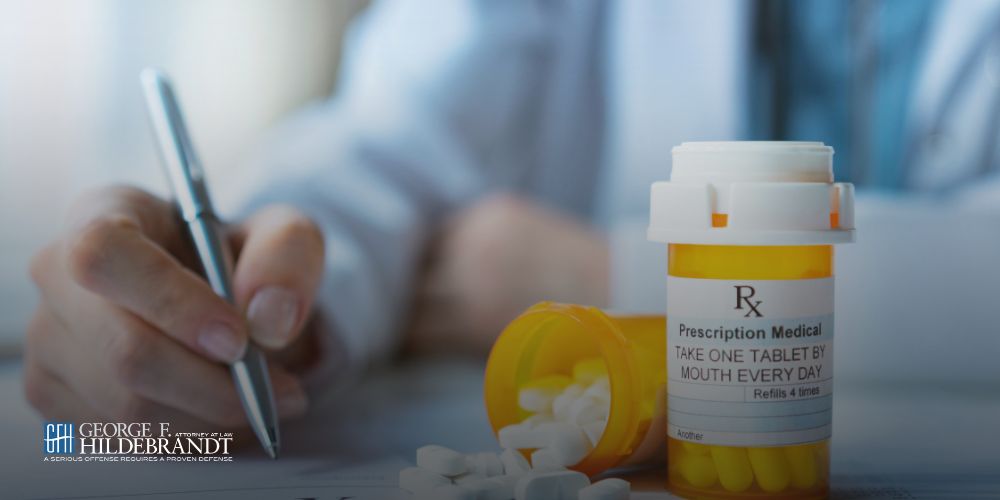
Prosecutors aggressively pursue prescription drug charges in New York, treating these cases as serious criminal matters that carry jail time and professional consequences. The Drug Enforcement Administration and local law enforcement investigate prescription fraud, doctor shopping, and illegal distribution of controlled substances. Medical professionals, patients, and pharmacists all face the risk of criminal prosecution for drug crimes. Early contact with a New York federal drug crimes attorney protects your rights during the investigation and helps create the strongest possible defense strategy.
Common Types of Prescription Drug Crimes in New York
New York law criminalizes various activities involving prescription medications, from illegal possession to large-scale trafficking operations. Prosecutors charge defendants based on the specific circumstances of each case, the type and quantity of controlled substances involved, and whether the accused holds professional licenses. Common prescription drug crimes include possession without a valid prescription, selling prescribed medications, and fraudulent schemes to obtain prescriptions. Each type of prescription drug crime carries different penalties depending on the nature of the offense and the defendant’s criminal history.
Illegal Possession of Prescription Drugs
Possession of prescription drugs without a valid prescription from a licensed physician constitutes a crime in New York. Prosecutors must prove the defendant knowingly possessed controlled substances like Oxycodone, Adderall, or Xanax without proper authorization. The severity of charges depends on the drug schedule classification and the quantity possessed. A conviction can result in jail time, fines, and a permanent criminal record that affects employment and professional opportunities.
Sharing and Selling Prescribed Medication
Individuals who share or sell their prescribed medications to others face serious drug charges in New York, even when acting with good intentions. Prosecutors treat the distribution of prescription drugs as drug trafficking, particularly when the substance is an opioid like hydrocodone or fentanyl. Selling prescription medications can lead to felony charges carrying years in prison, especially when prosecutors prove the defendant sold drugs for financial gain. Medical professionals who illegally dispense medications face additional proceedings for professional license suspension and revocation.
Doctor Shopping Charges
Doctor shopping occurs when individuals visit multiple physicians to obtain overlapping prescriptions for controlled substances without disclosing prior prescriptions. New York’s I-STOP monitoring system tracks prescription drug prescriptions across the state, making doctor shopping easier for prosecutors to detect and prove. Defendants accused of doctor shopping face felony charges based on the quantity of medications obtained and whether they distributed the drugs to others. These cases often involve prescription drug abuse issues that defense attorneys can present as mitigating circumstances during negotiations with prosecutors.
Internet & Mail Order Prescription Crimes
Purchasing prescription medications from unauthorized online pharmacies or mail-order services violates federal and state drug laws. The DEA monitors internet prescription drug sales and prosecutes individuals who order controlled substances without valid prescriptions. Defendants often face federal charges when prescription drugs cross state lines through mail delivery services. These cases become complicated when defendants argue they believed they were ordering from legitimate pharmacies offering legal services.
Online Pharmacy Violations
Operating an online pharmacy without proper FDA approval and state licensing constitutes a serious federal crime. Prosecutors charge defendants who sell prescription medications through websites with drug trafficking and distribution offenses. Wire fraud charges are added when defendants use electronic communications and payment systems to facilitate illegal prescription drug sales. Federal prosecutors seek severe penalties, including years in prison and substantial fines, for those convicted of running illegal online pharmacies.
Dark Web Sales
Dark web prescription drug trafficking cases involve sophisticated criminal enterprises that use encrypted networks to sell controlled substances anonymously. Law enforcement agencies have increased their efforts to investigate and prosecute dark web drug sales, leading to arrests of both sellers and buyers. Cryptocurrency transactions complicate these cases as prosecutors work to trace payments and connect defendants to illegal prescription drug sales. Money laundering charges often accompany dark web drug trafficking prosecutions, substantially increasing potential prison time upon conviction.
New York Prescription Drug Fraud Defense Attorney
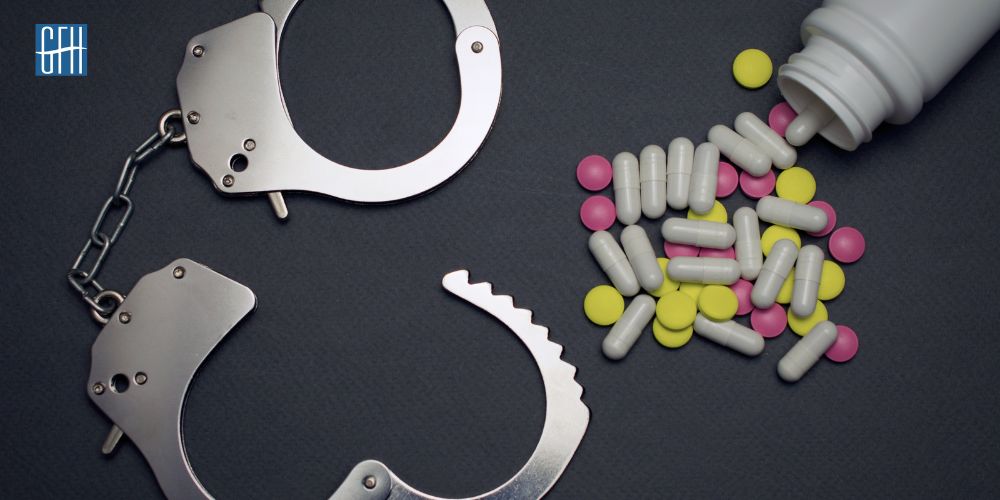
Prescription drug fraud encompasses various schemes to obtain controlled substances through deception, including forging prescriptions and falsifying medical records. Prosecutors work closely with pharmacies and medical professionals to identify fraudulent prescription activity and build criminal cases. Attorney Hildebrandt defends clients accused of prescription fraud by challenging the prosecution’s evidence and presenting alternative explanations for the defendant’s conduct. These cases require an understanding of both criminal law and the medical process surrounding legitimate prescription medications.
Criminal Diversion of Prescription Medication
Criminal diversion occurs when prescription medications enter illegal distribution channels through theft, fraudulent prescriptions, or corrupt medical professionals. Prosecutors charge nurses, pharmacists, physicians, and pharmacy employees who divert controlled substances from legitimate medical facilities. The DEA investigates diversion cases and works with state prosecutors to bring both federal and state drug crime charges. Convictions for prescription drug diversion can result in years of incarceration and permanent loss of professional licenses.
Controlled Substance Prescription Fraud and Deceit
Obtaining prescription drugs through fraud and deceit includes forging prescriptions, altering legitimate prescriptions, and impersonating medical professionals. Defendants face felony charges when they use false identities or stolen prescription pads to obtain controlled substances from pharmacies. Prosecutors must prove the defendant acted with the intent to deceive and knowingly violated prescription drug laws. Defense attorneys challenge whether defendants understood they were violating the law and examine whether prescription errors by pharmacists or physicians contributed to the charges.
Federal Prescription Drug Crimes Defense
Federal prescription drug charges carry more severe penalties than state charges, with mandatory minimum sentences and lengthy prison terms. The DEA brings federal charges when prescription drug crimes involve interstate commerce, large quantities of controlled substances, or violations of federal healthcare programs. Attorney Hildebrandt represents clients in federal court, defending against charges of prescription drug trafficking, healthcare fraud, and conspiracy. Federal drug crime cases require extensive preparation and a thorough understanding of complex federal sentencing guidelines, which differ significantly from New York state law.
New York Controlled Substance Laws
New York classifies controlled substances into five schedules based on their medical use and potential for abuse, with Schedule I drugs considered most dangerous. Prescription medications like Oxycodone and Adderall fall under various schedule classifications that determine the severity of criminal charges. Prosecutors apply different penalties depending on whether the controlled substance is a Schedule II opioid or a Schedule IV benzodiazepine. Understanding New York’s controlled substance laws helps defendants and their families grasp the serious consequences they face and the importance of experienced legal representation.
Opioid/Painkiller
Opioid prescription drugs, including Oxycodone, morphine, hydrocodone, and fentanyl, are Schedule II controlled substances that carry the most serious prescription drug charges. Prosecutors aggressively pursue cases involving opioids due to the ongoing opioid crisis and increased public attention on prescription drug abuse. Defendants face enhanced penalties when their illegal possession or sale of opioids results in another person’s injury or death. Overdose death prosecutions have risen dramatically, with prosecutors charging defendants with manslaughter or criminally negligent homicide when someone dies from opioids they provided.
Benzodiazepine
Benzodiazepines like Xanax, Valium, and Ativan are Schedule IV controlled substances commonly prescribed for anxiety and sleep disorders. Illegal possession or distribution of benzodiazepines results in criminal charges, though typically less severe than opioid-related offenses. Prosecutors charge defendants who sell benzodiazepines or possess large quantities without prescriptions with felony drug crimes. Medical professionals who improperly prescribe benzodiazepines face both criminal prosecution and professional licensing board investigations.
Stimulant
Stimulant medications, including Adderall, Ritalin, and Vyvanse, are Schedule II controlled substances prescribed for attention-deficit disorders. Students and professionals commonly misuse these prescription stimulants to enhance academic or work performance, leading to illegal possession charges. Prosecutors treat the sale or distribution of prescription stimulants seriously, particularly when defendants target college students or young professionals. Conviction for stimulant-related prescription drug charges can result in jail time and a criminal record that affects educational and career opportunities.
Other Controlled Substances
Other prescription medications subject to criminal prosecution include anabolic steroids, testosterone, sedative medications like Ambien, and cough syrup containing codeine. Athletes and bodybuilders face charges for illegal possession of anabolic steroids and testosterone obtained without valid prescriptions. Sleeping medications and codeine-based cough syrups are commonly misused and lead to prescription drug charges when individuals possess them illegally. Prosecutors evaluate the specific controlled substance involved and the circumstances of possession when determining appropriate charges.
Professional License Defense for Prescription Drug Charges in New York

New York medical professionals, including physicians, nurses, pharmacists, and physician assistants, face dual threats when charged with prescription drug crimes: criminal prosecution and professional license suspension or revocation. Licensing boards conduct independent investigations and can suspend licenses before criminal cases conclude, immediately ending careers. Attorney Hildebrandt coordinates criminal defense with professional license defense to protect clients’ ability to continue working during each step of the legal process. Early intervention with both prosecutors and licensing authorities often prevents permanent career damage and preserves professional licenses.
Prescription Drug Abuse
Prescription drug abuse involves the misuse of medications for non-medical purposes or in ways not intended by the prescribing physician. Prosecutors sometimes view prescription drug abuse as a mitigating factor that warrants treatment rather than incarceration, particularly for first-time offenders. Courts may offer drug treatment programs and monitoring as conditions of probation, allowing defendants to address substance abuse issues while avoiding conviction. A Syracuse drug court defense lawyer will present evidence of addiction and recommend treatment programs as alternatives to jail time.
Healthcare Fraud and Kickback Schemes
Healthcare fraud cases involve medical professionals who submit false claims to insurance companies or government healthcare programs for prescription medications. Kickback schemes occur when physicians, pharmacists, or pharmaceutical representatives receive illegal payments for prescribing or dispensing specific medications. Federal prosecutors aggressively pursue healthcare fraud cases under Medicare and Medicaid fraud statutes, seeking substantial prison sentences and financial penalties. These complex cases often involve extensive financial records and require a Syracuse healthcare fraud attorney who understands both healthcare regulations and criminal law.
Prescription Errors, Monitoring & I-STOP Violations
New York’s I-STOP prescription monitoring system requires prescribers and pharmacists to check patient prescription histories before dispensing controlled substances. Violations of I-STOP requirements can lead to professional discipline and, in some circumstances, criminal charges for medical professionals. Prescription errors by pharmacists or physicians sometimes result in patients receiving medications they were not prescribed, creating potential criminal liability. Defense attorneys examine whether I-STOP violations resulted from technical errors or system failures rather than intentional wrongdoing.
New York Prescription Drug Defense Strategies
New York defense attorney Hildebrandt develops defense strategies based on the specific facts of each prescription drug case and the evidence prosecutors intend to present. Common defense approaches include challenging search and seizures, questioning the validity of prescriptions, and presenting evidence of legitimate medical need. Defendants may argue they possessed valid prescriptions, were unaware that medications were controlled substances, or received incorrect information from medical professionals. Negotiation with prosecutors often results in reduced charges or alternative sentencing that avoids jail time and minimizes long-term consequences.
Contact a New York Prescription Drug Lawyer For a Consultation

New York prescription drug lawyer George F. Hildebrandt stands ready to fight on behalf of individuals facing accusations of prescription drug crimes throughout New York State. With extensive experience handling controlled-substance cases, he protects clients’ rights while seeking the best possible outcome. Call (315) 303-6533, toll-free at (800) 672-3523, or reach out online for a confidential case review. Don’t wait because the sooner you seek legal intervention, the more likely you are to avoid conviction and jail time.
Practice Areas
- Drug Crimes
- Conspiracy
- Drug Crimes: Cocaine
- Drug Crimes: Prescription Drugs
- Drug Manufacturing and Cultivation
- Drug Smuggling / Illegal Importation
- Judicial Diversion / Drug Treatment Court
- Search and Seizure
- State Drug Crimes
- Synthetic drugs
- Wiretaps
- DWI/DUI
- White Collar
- Federal Crimes
- Violent Crimes