
Criminal Defense Attorney For DWI First Offense NY
If you or your child has been arrested for a first-time DWI offense, don’t hesitate to contact New York first-offense DWI lawyer George F. Hildebrandt, Attorney At Law. Even if you’ve never had a DWI charge, you could still face up to a year in jail or be subject to other consequences, such as professional or driver’s license suspension or revocation, higher insurance costs, interlock installation, immigration and housing issues, and a criminal record.
If you’ve been arrested or are facing your first drunk driving offense, contact Syracuse, NY, first DWI defense attorney George Hildebrandt to schedule a free consultation. Use the online contact form, call the firm directly at 315-303-6533, or call toll-free 24/7 at (800) 672-3523.

First Drunk Driving Arrest in New York: Important Laws to Know
New York State laws regarding drunk driving and driving with drug impairment are primarily covered under Vehicle and Traffic Law §1192.
- §1192(2): Makes it illegal to operate a motor vehicle with a blood alcohol content (BAC) level of 0.08% or higher. This is a per se DWI, meaning the chemical test alone is enough to prove intoxication, even with no signs of drunk driving.
- §1192(3): Prohibits operating a motor vehicle while intoxicated based on observed impairment, regardless of BAC level. This covers cases where the driver shows a substantial loss of physical or mental control.
- §1192(1): Covers alcohol impaired DWAI charges. Driving While Ability Impaired by alcohol is a lesser offense that applies when blood alcohol concentration (BAC) levels are 0.05-0.07 % or when the person is alcohol impaired slightly but noticeably.
- §1192(4): Covers DWAI drug charges. This applies to observed drug impairment.
- §1192(4-a): Covers operating a motor vehicle under the combined influence of alcohol and drugs.
- §1192(2-a)(b): Known as Leandra’s Law. This makes it a Class E felony to drive while intoxicated or impaired with a passenger under 16 years old. This felony occurs even for first-time DWI offenses regardless of BAC levels.
Convictions for driving under the influence can lead to up to one year in jail, up to $1,000 fine, and having your driver’s license revoked for at least one year. Courts must also order the installation of an ignition interlock device (IID) on any motor vehicle that defendants own or operate for at least six months.
The implied consent laws, under New York VTL §1194(2)(b), require that drivers submit to blood, urine, or breath tests if they’re arrested for DWI in New York.
Under VTL §503(4) and the Driver Responsibility Assessment program, a DWI conviction adds a $250 annual fee for three years payable to New York State DMV.
George Hildebrandt provides dedicated legal representation for those charged with their first DWI in New York. If you or your child has been arrested, don’t answer any police questions. Exercise the right to remain silent and retain skilled legal counsel.
Types of First-Time DWI Offenses in New York
First Offense DWI: Driving While Intoxicated
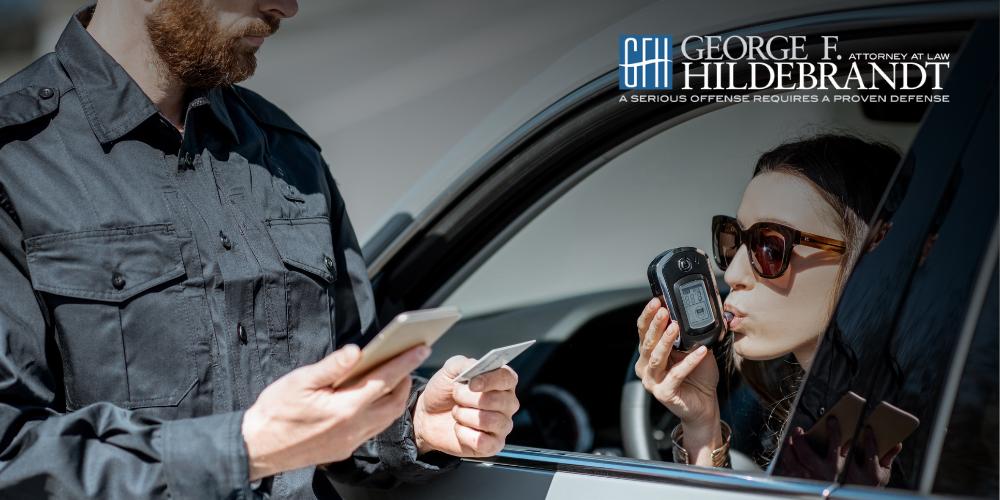
First-time DWI offenses can occur when a person is driving under the influence. Driving while intoxicated (DWI) charges apply when the person’s blood alcohol concentration is 0.08 % or higher or when evidence of impaired ability exists. First-time DWI offenses are classified as misdemeanors.
If you’ve been arrested for your first offense, contact a New York DWI attorney to discuss your legal options.
First Time DWAI: Driving While Ability Impaired by Alcohol
A first-time DWAI is not considered a criminal charge. The first Driving While Ability Impaired offense is a traffic infraction. Penalties for the first alcohol impaired DWAI can include fines up to $500, up to 15 days in jail, and a 90-day minimum license suspension. First-time offenders must also pay the DMV $250 per year for three years.
If you’re facing your first DWAI charge, contact New York DWAI defense attorney George Hildebrandt for a free case evaluation.
First Offense DWAI Drug
The first DWAI-Drug (Driving While Ability Impaired by Drugs) occurs when a driver operates a motor vehicle while their ability is affected by drugs. Under New York Public Health Law §3306, this can include controlled substances, narcotics, hallucinogens, stimulants, and certain prescription medications. These criminal charges don’t rely on BAC levels but on observable impairment and toxicology evidence. A first DWAI-Drug conviction is a misdemeanor punishable by a fine of $500 to $1,000, up to one year in jail, and a minimum six-month license revocation. The convicted must pay the Department of Motor Vehicles $250 per year for three years. Courts may also require participation in an evaluation or treatment program.
Aggravated DWI NY First Offense
Courts consider first aggravated DWI charges more severe than standard DWI offenses. It occurs when a driver operates a motor vehicle with a blood alcohol concentration of 0.18% or higher. Aggravated DWI convictions carry much more severe penalties. If convicted of aggravated driving while intoxicated, the defendant faces fines up to $2,500, jail time of up to one year, attendance at a victim impact panel, driver responsibility assessment fees, and a minimum one-year license revocation. After this, courts require ignition interlock device (IID) installations.
A first-offense Aggravated DWI is classified as a misdemeanor. It becomes a felony if the person has a prior DWI or other related prior conviction within the past ten years, under VTL §1193(1)(c)(ii).
If you’ve been arrested for an aggravated driving under the influence, contact a first aggravated DWI lawyer in New York to discuss potential consequences and how he’ll fight for the best possible outcome in your case.
First-Time Minor DWI in New York
A first-time DWI offense for minors is governed by the Zero Tolerance Law. This prohibits minors from operating vehicles with a blood alcohol content (BAC) of 0.02- 0.08%. Penalties for minor first offense DWI in New York include a six-month license suspension, a $125 civil penalty, and a $100 driver’s license reinstatement fee.
If the underage driver’s BAC is 0.08% or more, this becomes a DWI charge, subject to criminal prosecution. Here, the minor is subject to DWI penalties. They’ll face fines up to $1,000, up to a year of jail time, having their driver’s license revoked for at least one year, and mandatory installation of an ignition interlock device upon relicensing. A second offense of operating over the legal limit or aggravated DWI charges can also trigger Leandra’s Law if an individual under sixteen is present. This leads to higher fines and more serious consequences.
First Time DWI Child Passenger New York: Class E Felony
Leandra’s Law makes it a Class E felony to drive under the influence with a person who is fifteen or younger. Even first-time offenders are subject to felony DWI charges. Here, the first DWI conviction doesn’t depend on specific BAC levels. Under Leandra’s law, defendants face the following penalties: up to four years imprisonment, higher fines up to $5,000, mandatory IID installs, and license revocation for a minimum of a year. However, courts routinely invoke eighteen-month to lifetime revocations depending on the circumstances.
In addition, if the defendant is the parent of the passenger, the police report the situation to CPS. This can lead to potential loss of custody.
If it’s your first DWI charge, understand you need a skilled felony DWI defense attorney in New York to protect your rights and fight for your freedom and potentially custody, as well.
Drunk Driving Accident Causing Injury Or Death With No Prior DWI Convictions in New York
Vehicular assault occurs when a drugged or drunk driving accident causes serious injury or kills another person. The first offense is a Class E charge, punishable by up to four years imprisonment and up to an eighteen-month license revocation. If the drunk driver’s BAC is 0.18% or higher, or if the crash involves recklessness or operating with a suspended driver’s license, the charge becomes aggravated vehicular assault, a Class D felony. Here, DWI convictions carry up to a seven-year prison sentence. When another person is killed, the defendant faces vehicular manslaughter charges. Convictions carry up to a fifteen-year prison sentence, depending on the circumstances and BAC levels.
First Drunk Driving Defense Strategies in NY
Legal Rights Violations
Common defense strategies for first or second offense charges rely on questioning the legality of the stop. If any of the following aren’t executed correctly, police officers may have violated your rights. This means that evidence secured at the stop can’t be considered in court.
- Traffic stops require reasonable suspicion.
- Officers must have probable cause for arrest based on clear evidence.
- Checkpoints must be publicly scheduled, neutrally conducted, and supervised to ensure stops are not random or discriminatory.
- Police must read Miranda rights before any custodial interrogation; statements made before may be inadmissible.
Challenging Blood Alcohol Concentration in Chemical Tests
Chemical testing in DWI cases covers breath, blood, urine, and saliva samples, each governed by strict standards.
Defense strategies for challenging blood alcohol concentration include:
- Breathalyzer Calibration and Maintenance: Defense can challenge BAC levels if breathalyzers weren’t properly maintained, calibrated, or certified as required by the state.
- Police Officers Violated Observation Period Rules: Police must observe the driver for at least 20 minutes before taking a breath sample. Eating, drinking, burping, or vomiting during this period can contaminate the evidence.
- Rising Blood Alcohol Defense Strategy: Levels can increase once the driver has ceased operation. This can cause later chemical tests to show inaccurately high BACs.
- Mouth Contamination: Residual effects of mouthwash, medication, or regurgitation can create false readings.
In addition, all samples must be handled under strict procedures. If not, the results can be inadmissible.
All drivers automatically consent to chemical tests under implied consent laws. Refusing to submit can lead to having your driver’s license revoked for a year and a $500 civil penalty, even if you weren’t convicted. Severe penalties are separate from any charges and occur regardless of trial outcomes. Also, the prosecution can use such a refusal as evidence to suggest you are guilty. Drivers who refuse testing aren’t eligible for a hardship or conditional license during their license revocation period.
If you failed a breathalyzer test in New York, contact first-time DWI defense attorney George Hildebrandt to discuss your options and potential defense strategies.
Challenging Field Sobriety Tests
George Hildebrandt is a skilled attorney for challenging field sobriety tests in New York. He understands that this relies on subjective interpretation rather than scientific accuracy. Common defense strategies for field sobriety tests include:
- Improper Administration: Any deviation from NHTSA guidelines, such as incorrect instructions or demonstrations, can make results unreliable.
- Medical Conditions: Physical disabilities, age, weight, fatigue, or medical issues such as vertigo or injuries can mimic signs of intoxication.
- Environmental Factors: Uneven pavement, poor lighting, weather, or footwear can hinder performance and create false indicators.
- Training and Certification: Results can be challenged if the officer was not properly trained, certified, or able to recall the NHTSA procedures during testimony.
New York DWI Penalties First Offense
Even first DWI convictions carry serious penalties. If convicted, the person faces fines up to $1,000, up to one year in jail, and a license revocation of up to a year. Those convicted must pay the DMV $250 per year for three years. In addition, courts can include mandatory attendance of a victim impact panel and order defendants to install an ignition interlock device (IID) for a minimum of six months.
Programs and Alternatives for First-Time Drunk Driving Offenses in New York
First Offense DWI NY: Plea Bargain
Plea bargaining is sometimes available but depends on the facts, BAC level, and the defendant’s record. Prosecutors may allow a reduction from a first DWI offense to DWAI, which is a traffic infraction. Eligibility usually requires a BAC below 0.15%, no accident or injuries, and no prior related offenses. Plea deals for first DWI offenses still lead to fines, license suspension, and DMV fees, but avoid the DWI conviction.
Conditional Discharge for First Time DWI Charges in New York
A conditional discharge is a sentencing option available when the state determines that supervision rather than jail or probation is appropriate. It allows the defendant to avoid potential jail time as long as they comply with mandatory conditions for a year. Examples include completing the Impaired Driver Program, attending mandated education or treatment, installing an IID, or paying all fines and fees.
If all conditions are met, the sentence ends without further penalties. However, violating any condition can lead to resentencing, including possible jail. A conditional discharge still counts as a conviction. This means if the offender is convicted again, this serves as a subsequent conviction.
How an Experienced First Offense DWI Lawyer in New York Can Help
Legal Assistance For Hardship and Conditional Licenses
George Hildebrandt helps time offenders obtain hardship licenses after arraignments. If you didn’t know what to do after a DWI arrest in New York and chose not to hire a DWI defense attorney, he can help you apply for a conditional license. He provides experienced legal representation for clients at hearings to help them maintain their driver’s license to go to work, school, or medical appointments during license suspension or license revocation periods associated with DWI offenses.
CDL and Professional License Defense
First-time offenders with CDLs or professional licenses especially need skilled legal assistance when facing DWI charges. If you’ve been accused or are facing your first DWI charge, you need to hire a New York first-time DWI defense attorney immediately. George Hildebrand can fight to protect your CDL, professional, or medical license, negotiate for reduced charges, and coordinate with state boards to prevent or mitigate serious consequences that will affect your career.
Contact a Central New York First DWI Attorney For a Free Consultation
Whether you’re facing your first misdemeanor or felony DWI charge, you need a DWI first offense lawyer in New York to protect your freedom, advocate for probation or dismissed charges, and secure the best possible outcome. To schedule a free consultation, reach out online, call the firm directly at 315-303-6533, or call toll-free at (800) 672-3523.