
Syracuse felony DWI lawyer George F. Hildebrandt provides aggressive criminal defense representation for individuals facing this serious offense of felony DWI charges throughout Syracuse, Onondaga County, and Central New York who need legal assistance to protect their driving privileges, freedom, and professional life. His firm handles Class D felony and Class E felony drunk driving cases, aggravated DWI charges, second- and third-offense DWI, Leandra’s Law violations, and chemical test refusal cases with significant consequences.
We fight to achieve favorable outcomes through challenging evidence, negotiating reduced charges, and providing experienced legal representation at every stage of the legal process, including guidance designed to help clients avoid self-incrimination. Contact us at (315) 303-6533 or complete our contact form to schedule a free consultation with an experienced Syracuse DWI lawyer to discuss your legal options.
Syracuse Felony DWI Attorney Defending Felony Drunk Driving Charges Across Central New York
Dedicated Syracuse DWI lawyer George Hildebrandt assists clients facing serious felony drunk driving charges throughout Central New York, including Syracuse, Onondaga County, and surrounding areas, where felony convictions carry severe penalties, including state prison time. He brings extensive experience representing clients accused of repeat DWI offenses, aggravated DWI, driving while intoxicated with a child in the vehicle under Leandra’s Law, and other circumstances that elevate DWI charges to a felony level.
George F. Hildebrandt is a knowledgeable attorney who provides personalized attention to each case, working diligently to investigate the circumstances surrounding DWI arrests, gather other evidence, identify weaknesses in the prosecution’s case, and develop effective strategies to protect your freedom, driving privileges, and future.
Is a DWI a Felony in NY?
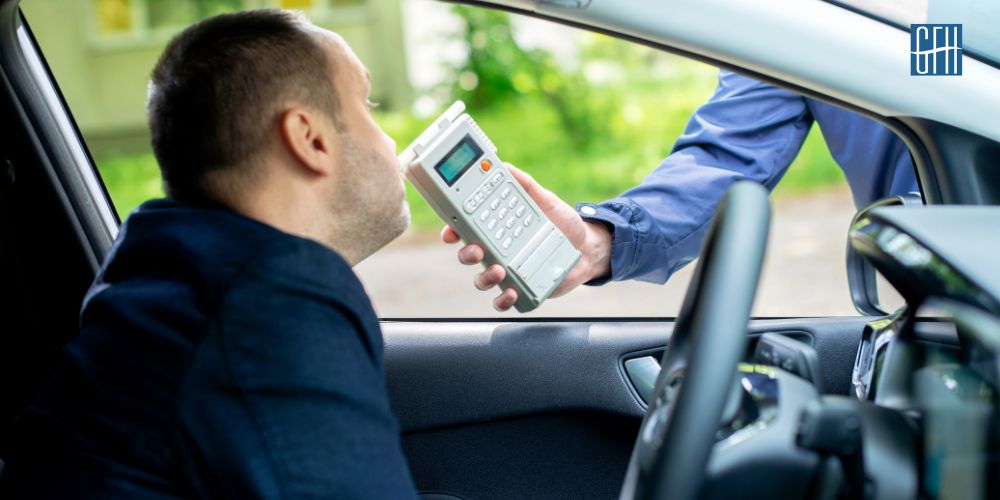
Driving while intoxicated, DWI, becomes a felony in NY when aggravating factors exist, including prior DWI convictions within 10 years, a blood alcohol content of 0.18% or higher, driving with a child under 15 in the vehicle, or causing serious injury or death. A first-offense DWI lawyer in Syracuse, NY, also addresses cases where prosecutors attempt to elevate a first-offense DWI to a Class E or Class D felony based on prior offenses or surrounding circumstances. Felony DWI charges carry severe consequences, including state prison time, substantial fines, permanent license revocation, and a lasting criminal record.
Felony Charges for Aggravated DWI, NY
Felony charges for aggravated DWI in Syracuse, NY, arise when drivers operate vehicles with extremely high blood alcohol concentration levels, have prior DWI convictions, or commit DWI with aggravating factors. A NY felony DWI lawyer handles cases involving blood alcohol content (BAC) of 0.18% or higher, which triggers aggravated DWI charges with enhanced penalties such as higher fines, longer license suspensions, required ignition interlock device installation, and increased jail time.
Penalties and felony classifications escalate with prior convictions, with second-offense aggravated DWI charged as a Class E felony and third-offense aggravated DWI charged as a Class D felony, carrying up to seven years in state prison. A felony DWI conviction creates a permanent criminal record that affects employment, professional licensing, housing, and other aspects of life that cannot be sealed or expunged in New York.
Felony DWI Charges for Second Offense and Third Offenses in New York State
Class E felony for second DWI within 10 years carries up to four years in state prison, fines up to $5,000, mandatory ignition interlock device for at least one year, minimum one-year license revocation, and probation supervision. Class D felony for third or subsequent offense DWI within 25 years represents the most serious drunk driving charge, carrying up to seven years in state prison, fines up to $10,000, permanent license revocation, and permanent CDL revocation. Prior conviction requirements and lookback periods determine whether current DWI charges are prosecuted as misdemeanors or felonies, with New York using a 10-year lookback for a second offense and a 25-year lookback for a third offense.
Leandra’s Law NY: Felony Charges For DWI With a Child In The Car
Automatic felony charge when a child under 15 is in a vehicle under Leandra’s Law applies regardless of BAC level, prior criminal history, or whether any harm came to the child. Class E felony conviction consequences include up to four years in state prison, fines up to $5,000, a minimum one-year license revocation, a mandatory ignition interlock device, and family court proceedings involving child protective services. Mandatory ignition interlock device requirements extend for at least one year after license restoration and require installation in every motor vehicle, with costs totaling thousands of dollars.
Felony DWAI Charges in NY
Felony DWAI charges in NY occur when drivers with prior DWI-related convictions are arrested for driving while ability impaired by alcohol, drugs, or a combination of substances. DWAI represents a lesser degree of impairment, with DWAI-alcohol applying to BAC between 0.05% and 0.07%, but prior convictions trigger felony enhancements. Experienced DWI lawyer George F. Hildebrandt challenges the prosecution’s evidence of impairment and questions whether officers had reasonable suspicion.
Felony Charges For Driving While Ability Impaired by Alcohol
Felony charges for driving while ability impaired by alcohol occur when repeat offenders with prior DWI or DWAI convictions are arrested for operating vehicles with a BAC below the legal limit. While the first offense is a traffic infraction, prior convictions elevate charges to a felony. Criminal defense attorney George F. Hildebrandt challenges whether impairment existed and examines the field sobriety test administration.
Felony Charges For Driving While Ability Impaired by Drugs / Combination
Felony charges for driving while impaired by drugs or a combination apply when drivers operate vehicles while impaired by marijuana, prescription medications, illegal drugs, or any combination. DWAI-drugs charges require proof of impairment, typically established through Drug Recognition Expert evaluations and blood or urine tests. An experienced traffic defense attorney will challenge drug-related violations by questioning the reliability of the evaluation.
Felony DWI NY Sentence and Possible Additional Penalties
Felony DWI NY sentences and possible additional significant penalties vary depending on whether the criminal charges are Class E or Class D felonies, prior criminal history, and the circumstances within the legal system. Beyond imprisonment and fines, felony DWI convictions carry mandatory alcohol education programs, ignition interlock programs, treatment requirements, community service, probation supervision, and victim impact panels. A Syracuse DWI defense lawyer like George F. Hildebrandt presents mitigating factors to argue for minimum sentences and alternative sentencing options.
How Prior Out-of-State DWI Convictions Affect Your Case
How New York counts prior convictions from other states requires prosecutors to prove the out-of-state offense would have been a DWI-related crime under New York law. Interstate Driver’s License Compact implications mean New York shares information about DWI convictions with other states and treats out-of-state offenses similarly to in-state convictions for license suspension, revocation, and felony enhancement.
New York DWI Felony Penalties: Jail Time and Prison Sentences
Up to 7 years for Class D felony DWI represents the maximum sentence for third or subsequent offense within 25 years, with most convictions resulting in state prison sentences of 2-4 years plus mandatory minimum fines of $2,000 (up to $10,000). Up to 4 years for a Class E felony DWI applies to second offenses within 10 years and to first-time DWI offenses with a child passenger under Leandra’s Law, with many defendants receiving probation or county jail time rather than state prison. The distinction between the Onondaga County jail and the state prison determines where defendants serve sentences, with the county jail for sentences up to one year, keeping defendants in the Syracuse area.
Significant Fines, Fees and Financial Consequences of a Felony DWI Conviction
Fines up to $10,000 for felony convictions represent the statutory maximum for Class D felony offenses, with mandatory minimums of $2,000 for Class D and $1,000 for Class E felony offenses. Court fees and surcharges add hundreds or thousands of dollars, including mandatory surcharges of $400-$520, crime victim assistance fees, probation fees, and ignition interlock costs. Increased auto insurance rates and SR-22 requirements create a long-term financial burden, with rates typically doubling or tripling, and many drivers paying $3,000-$5,000 annually during the SR-22 period.
Driver’s License Revocation and Loss of Driving Privileges
Minimum one-year revocation for felony DWI applies to all felony drunk driving convictions, with actual periods often extending longer depending on charges and prior history. Conditional license eligibility in Central New York allows some defendants to obtain limited driving privileges for essential purposes, including work, school, and medical appointments, after completing mandatory waiting periods. Permanent revocation options for repeat offenders mean drivers with multiple convictions face the potential loss of driving privileges and a permanent CDL revocation after a second DWI conviction.
Professional Life and CDL Consequences of Felony Drunk Driving Convictions
Employment consequences of felony convictions include immediate job loss, difficulty finding new or maintaining employment with a felony criminal record, issues with personal and professional life, loss of professional licenses, and ineligibility for positions requiring background checks. Immigration issues for non-citizens can result in deportation, denial of citizenship applications, inability to renew visas or green cards, and bars to reentry. Felony convictions are considered aggravated felonies, making non-citizens deportable.
Defense Strategies For a Syracuse Felony DWI Case
Criminal defense strategies for a Syracuse felony DWI case include challenging the legality of the traffic stop, questioning the accuracy of the chemical test, examining the administration of the field sobriety test, and investigating procedural errors. A skilled DWI lawyer conducts thorough investigations, reviews police reports and dashcam footage, interviews witnesses, and retains expert witnesses. Common defenses include lack of probable cause, improper field sobriety tests, failing a breathalyzer test due to a malfunction, blood test contamination, rising BAC defense, and medical conditions mimicking intoxication.
How a New York DWI Refusal Lawyer Can Help in Syracuse DWI Cases Involving Chemical Test Refusal
A New York DWI refusal lawyer provides a strong defense by challenging the validity of chemical test refusal charges, which carry automatic license suspension and can be used as evidence of consciousness of guilt. Chemical test refusal triggers separate civil penalties, including a minimum one-year license revocation. Mr. Hildebrandt examines whether law enforcement officers properly explained the consequences of refusing and whether defendants actually refused or were unable to complete the tests.
Felony Underage DWI Charges
Felony underage DWI charges apply when drivers under age 21 commit DWI offenses with prior convictions or aggravating factors that elevate charges to the felony level. Underage drivers face automatic license suspension for any detectable alcohol under the Zero Tolerance Law, and standard DWI charges apply when BAC exceeds 0.08%. Consequences include state prison time, a permanent criminal record that can affect educational and employment opportunities, and loss of driving privileges.
Challenging Field Sobriety Tests
These factors explain why field sobriety tests are not always accurate. Weather conditions such as rain, snow, ice, wind, poor lighting, and uneven surfaces can cause sober individuals to struggle with balance-based tests. Medical issues, including inner ear conditions, neurological disorders, leg or foot injuries, back problems, obesity, and anxiety disorders, also affect performance regardless of sobriety. Test results become unreliable when officers commit training or administration errors, including failure to follow standardized procedures or National Highway Traffic Safety Administration protocols.
Common Defenses for Blood and Breathalyzer Tests
Calibration and maintenance records for breathalyzer devices must show regular testing and adjustment, with New York requiring specific calibration schedules that many police agencies fail to maintain. Chain-of-custody issues arise when documentation fails to establish continuous possession and proper handling of blood samples from collection through analysis. Rising BAC defense argues defendant’s blood alcohol content was below the legal limit while driving, but rose by testing time due to ongoing alcohol absorption.
Alternative Sentencing Options for Felony DWI Charges in Syracuse, NY
Eligibility requirements for Onondaga County DWI Court include facing felony DWI charges, having alcohol abuse issues requiring treatment, being willing to plead guilty, and meeting screening criteria. Treatment program components include alcohol education classes, individual and group counseling, substance abuse treatment, random alcohol and drug testing, and support group participation. Benefits of successful completion include avoiding state prison sentences, receiving reduced charges, and some programs allowing charge reduction from felony to misdemeanor.
Contact a Syracuse, New York Felony DWI Lawyer For a Free Consultation

George F. Hildebrandt offers aggressive representation to individuals facing complex legal matters, including felony DWI charges, in Syracuse, Onondaga County, and throughout Central New York. As a Syracuse, New York, felony DWI lawyer, he understands the serious consequences of felony drunk driving convictions and fights aggressively to pursue the best possible outcome. Contact the office at (315) 303-6533 or complete the online contact form today to schedule a free consultation with an experienced defense attorney.