Home » Federal Crimes » Federal Drug Crimes
New York Federal Drug Crimes Attorney
Federal drug charges represent some of the most serious offenses prosecuted in the United States, carrying mandatory minimum sentences, significant penalties, and life-altering consequences, including decades of jail time. New York federal drug crimes attorney George F. Hildebrandt, Attorney At Law, provides aggressive criminal defense for individuals under investigation by the Drug Enforcement Administration, the FBI, and other federal law enforcement agencies throughout New York. His extensive experience defending clients accused of drug trafficking, possession with intent to distribute, and conspiracy charges ensures strong legal counsel protecting your constitutional rights and freedom.
For a free consultation, use the contact form, call the law firm directly at 315-303-6533, or call toll-free 24/7 at (800) 672-3523.

Criminal Defense Attorney Representing Clients Facing Federal Drug Charges in New York
George F. Hildebrandt defends clients throughout New York State, including New York City, Long Island, Westchester, and Upstate New York, facing federal drug charges prosecuted in federal court. Federal drug crimes carry significantly harsher penalties than state charges handled by local agencies and state police. A New York State drug crime attorney can help with state-level cases, while federal charges require mandatory minimum sentences that judges must impose regardless of circumstances.
Understanding federal sentencing guidelines, the investigation process, and defense strategies is necessary when facing federal drug trafficking offenses at the federal level. A criminal defense lawyer with courtroom experience and knowledge of federal drug laws protects your rights and pursues the best possible outcome.
When Does the Federal Government Get Involved in Drug Offenses?
Federal agencies bring charges when drugs are transported across state lines or international borders into New York, triggering federal jurisdiction. Large amounts of controlled substances and other controlled substances exceeding federal thresholds result in federal prosecution rather than state charges handled by local law enforcement and local agencies.
The Drug Enforcement Administration, FBI, Homeland Security, ATF, and other federal authorities investigate drug crimes involving organized networks and trafficking operations throughout New York City, Syracuse, Albany, Buffalo, and across the state. Crimes committed on federal property, connections to organized crime or RICO allegations, and joint federal-state task force investigations with state police also result in federal charges rather than state prosecution.
Federal Drug Schedule and Controlled Substance List
The most common Schedule I controlled substances include:
- Heroin
- LSD
- Ecstasy / MDMA
- Methaqualone: Quaalude, Ludes, Sopers, Lemmon 714
- Psilocybin (magic mushrooms)
- Peyote / Mescaline
- Cannabis / Marijuana (under federal law)
- Bath salts / synthetic cathinones (some varieties)
- Khat (Catha edulis)
- Synthetic cannabinoids
Common Schedule II controlled substances include:
- Cocaine (including crack cocaine)
- Methamphetamine and Methadone
- Oxycodone (OxyContin, Percocet)
- Fentanyl (specific formulas)
- Hydromorphone (Dilaudid)
- Amphetamine (Adderall, Dexedrine) and Methylphenidate (Ritalin, Concerta)
- Morphine
- Opium
Common Schedule III controlled substances include:
- Anabolic Steroids (testosterone, nandrolone, stanozolol) and TRT
- Buprenorphine (Suboxone, Subutex)
- Ketamine
- Tylenol with Codeine
Common Schedule IV controlled substances include brand names like:
- Alprazolam (Xanax)
- Clonazepam (Klonopin)
- Diazepam (Valium)
- Lorazepam (Ativan)
- Tramadol (Ultram)
- Chlordiazepoxide (Librium)
- Sleeping aids like Zolpidem (Ambien), Eszopiclone (Lunesta), and Temazepam (Restoril).
Schedule V controlled substances are generally cough medicines with codeine.
List of Federal Drug Charges and Sentences

Federal drug cases involve various charges depending on the illegal activity, drug type, and quantity of controlled substances involved. Common federal charges include drug trafficking, drug manufacturing, possession with intent to distribute, drug conspiracy, and drug smuggling, each carrying specific penalties under federal sentencing guidelines. Fighting drug manufacturing and cultivation charges in Syracuse requires experienced legal representation familiar with federal prosecution strategies.
Federal Drug Trafficking Sentencing Guidelines
Drug trafficking charges involve manufacturing controlled substances, drug possession with intent to distribute, and distribution and sale of narcotics in violation of federal law. Federal prosecutors pursue trafficking cases aggressively, seeking substantial prison time and fines based on the drugs involved and quantity.
Penalties are determined by drug type and quantity, with mandatory minimum sentences triggered at specific threshold amounts. Factors including criminal history, role in the offense, and whether violence or firearms were involved affect sentencing under federal guidelines.
Federal Drug Conspiracy Sentencing Guidelines
Conspiracy charges require only an agreement to manufacture, distribute, or possess drugs, with no requirement that drugs actually be sold or that the defendant personally handled controlled substances. Co-conspirators face liability for the actions of all participants in the conspiracy, making these among the most serious offenses prosecuted by the federal government.
Federal conspiracy charges carry equal penalties to the underlying drug offense, meaning conspiracy to distribute carries the same sentence as actual distribution. A Syracuse conspiracy lawyer challenges the government’s evidence of agreement and your knowing participation in alleged illegal activity.
Drug Smuggling Charges
Drug smuggling involves bringing controlled substances into the United States through New York airports, seaports, border crossings, and mail facilities. JFK Airport and Newark Airport interdiction cases involve drugs concealed in luggage, body packing, or cargo shipments. Port of New York seizures target cocaine, heroin, and other drugs hidden in commercial shipping containers.
International drug trafficking networks coordinate smuggling operations that federal agencies investigate through surveillance, informants, and controlled deliveries throughout New York City, Long Island, and surrounding areas. A Syracuse lawyer for drug smuggling charges examines every aspect of the government’s case, including searches, seizures, and evidence of your knowledge and intent.
Drug Kingpin and Continuing Criminal Enterprise
The “Drug Kingpin” statute targets individuals who organize or lead five or more persons in drug trafficking operations generating substantial income. Continuing Criminal Enterprise charges under federal law carry mandatory minimums of 20 years to life imprisonment, with no possibility of parole.
Federal prosecutors must prove you were an organizer or leader, supervised five or more people, and derived substantial income from the drug operation. These charges are among the most serious federal drug crimes, carrying the most severe penalties, and require aggressive defense from an experienced attorney.
Federal Marijuana Offenses
Marijuana remains a Schedule I drug under federal law despite legalization in many states, creating conflict between state and federal prosecution. Large-scale cultivation operations, interstate marijuana distribution, and trafficking significant quantities trigger federal charges even in states where cannabis is legal.
Federal prosecutors pursue marijuana cases involving organized trafficking operations, large amounts crossing state lines, and cultivation on federal property. Attorney Hildebrandt addresses New York State versus federal penalties for possession of marijuana and trafficking, challenging federal jurisdiction and seeking reduced charges where possible.
Federal Drug Sentencing Guidelines
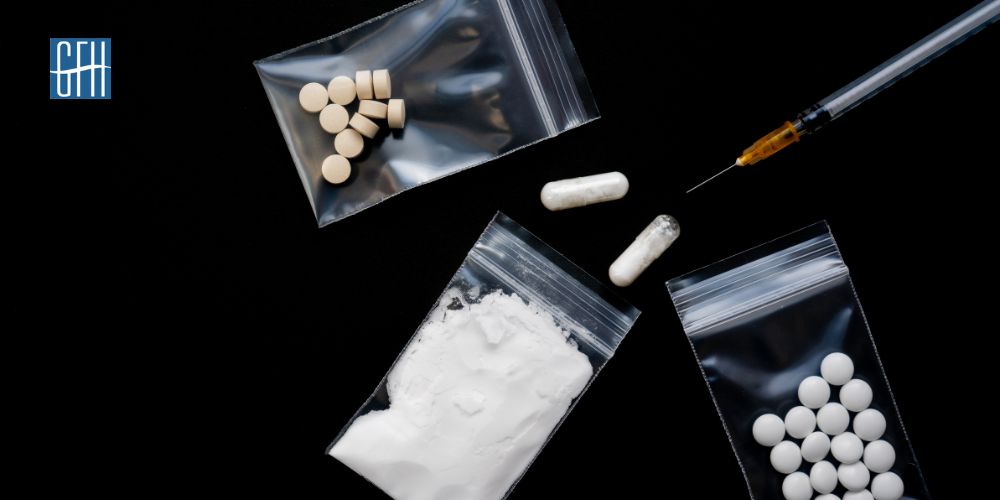
Federal sentencing guidelines calculate recommended prison terms based on drug type, quantity of controlled substances involved, defendant’s criminal history, and role in the offense. The sentencing chart establishes base offense levels for different drugs and quantities, with enhancements for leadership roles, weapons, violence, and prior convictions.
Judges determine sentences within guideline ranges unless departures or variances apply based on specific circumstances. Understanding how federal sentencing guidelines apply to your case is vital for evaluating plea offers and preparing for sentencing.
Federal Drug Sentencing Chart Based on Drug Type and Quantity
Drug Type | Schedule | Threshold / Quantity | Mandatory Minimum Sentence in Years | Possession Sentence in Years | Trafficking Sentence in Years |
Heroin | I | ≥5 g powder / ≥1 g crack | 5 | Up to 1 | 10 – life |
Fentanyl, Oxycodone, Morphine | II | ≥2 g fentanyl / 100–500 mg per dosage unit | 5 | Up to 1 | 5 – 40 |
Powder Cocaine, Methamphetamine | II | ≥500 g / ≥5 g | 5 | Up to 1 | 5 – 40 |
Crack Cocaine | II | ≥28 g / ≥280 g | 5–10 | Up to 1 | 5 – 40 |
LSD, MDMA, Psilocybin | I | ≥1 g / 100–500 tabs | None | Up to 1 | 5 – 20 |
PCP | I | ≥10 g | None | Up to 1 | 5 – 20 |
Anabolic Steroids | III | Varies | None | Up to 1 | Up to 5 |
Alprazolam, Clonazepam, Diazepam, Lorazepam, Temazepam, Tramadol, Zolpidem, Eszopiclone | IV–V | Varies | None | Up to 1 | Up to 3 |
Codeine cough syrup | V | Varies | None | Up to 6 months | Up to 1 |
Marijuana | I | ≥1,000 kg | 5 yrs | Up to 1 yr | 5 – 40 |
Enhanced Penalties for Prior Convictions
Prior felony drug charges double mandatory minimum sentences, dramatically increasing prison time for individuals with a criminal history. Two or more prior convictions can result in mandatory life imprisonment under federal law’s career offender provisions.
Career offender designations under sentencing guidelines apply when defendants have multiple drug trafficking or violent felony convictions. These enhanced penalties make it imperative to challenge any prior conviction that federal prosecutors seek to use for sentencing enhancements.
Additional Consequences of Drug Crime Convictions
Federal drug crime convictions carry consequences beyond prison time, including asset forfeiture of money, vehicles, and property connected to illegal activity. Defendants face loss of professional licenses, potential deportation for non-citizens, and loss of federal benefits, including student loans.
Convicted individuals lose firearm rights permanently under federal law and face years of supervised release following imprisonment. These collateral consequences affect employment, housing, and future opportunities, making it important to fight federal charges vigorously.
Suspect You’re the Target of a Federal Investigation? Why to Hire a New York Federal Drug Defense Lawyer Quickly

If you suspect federal agencies are investigating you for drug crimes in New York, hiring an experienced attorney immediately protects your rights and prevents statements that strengthen the government’s case. Federal investigations often last months or years before arrests occur, giving law enforcement time to build cases through surveillance, wiretaps, grand jury proceedings, and informant cooperation throughout New York City, Syracuse, and across the state.
Early legal representation allows your defense lawyer to advise you about interactions with federal agents and prepare defense strategies before formal charges. A Syracuse grand jury lawyer can protect clients during federal grand jury investigations, while Attorney Hildebrandt’s defense for federal investigations in New York, including Manhattan, Brooklyn, Queens, the Bronx, Staten Island, and Upstate New York, protects clients from self-incrimination and positions cases favorably if charges are filed
Federal Agencies Involved in Drug Investigations
- Drug Enforcement Administration (DEA)
- Federal Bureau of Investigation (FBI)
- Homeland Security Investigations (HSI)
- Bureau of Alcohol, Tobacco, Firearms and Explosives (ATF)
- U.S. Postal Inspection Service
- Organized Crime Drug Enforcement Task Forces (OCDETF)
Signs of Drug Investigation and Criminal Defense During the Federal Investigation Process
Federal investigations use confidential informants and undercover agents who infiltrate illegal drug operations and make controlled purchases from targets. Buy-bust operations, grand jury subpoenas, and financial investigations tracking money trails indicate an active federal investigation.
Cell phone and GPS tracking, social media monitoring, and electronic surveillance gather evidence against suspected drug traffickers. If you notice these signs, immediately contact a Syracuse wiretaps lawyer before making statements to police officers or federal agents.
Legal Help After Being Arrested for Federal Drug Charges in New York
After arrest on federal drug charges, defendants face the federal criminal complaint process, initial appearance, and detention hearings where bail decisions are made. Bail is rarely granted in serious drug cases involving large amounts of controlled substances, prior offenses, or flight risk concerns. Defendants are typically transferred to federal detention facilities to await trial or plea negotiations with federal prosecutors.
Defense Strategies for Federal Drug Charges in New York
Effective defense against federal drug crimes in New York requires challenging government evidence, protecting constitutional rights, and presenting alternative explanations. Attorney Hildebrandt analyzes searches and seizures, witness credibility, quantity calculations, and knowledge of drug presence, examining whether federal agencies followed proper procedures and obtained evidence legally.
Challenging Search and Seizure Violations
Fourth Amendment protections require law enforcement to obtain valid warrants based on probable cause before searching property or seizing evidence. Warrant defects, lack of probable cause, and illegal traffic stops in New York City, Syracuse, and throughout the state provide grounds to suppress physical evidence, including drugs, money, and statements.
Motion to suppress evidence challenges the admissibility of items obtained through unconstitutional searches, potentially resulting in dismissal of charges. Challenging search and seizures in Syracuse requires examining every detail of how police officers and federal agents obtained evidence against you.
Confidential Informant and Witness Credibility
Confidential informants often have a history of dishonesty, criminal records, and incentives for cooperation, including reduced sentences or payment from law enforcement. Challenging informant credibility through cross-examination exposes entrapment, fabricated evidence concerns, and motivations to lie. Many federal drug cases rely heavily on informant testimony that can be discredited through investigation of the informant’s background and statements.
Disputing Quantity Calculations in Federal Drug Cases
Federal sentencing for drug trafficking charges depends on drug quantity, so it is important to challenge calculations that determine actual versus attributed quantities in conspiracy cases. Defense attorneys dispute weight determinations by excluding cutting agents and packaging that inflate amounts and increase sentencing exposure. Challenging quantity calculations can reduce charges from trafficking to simple possession or lower mandatory minimum sentences significantly.
Lack of Knowledge Defense
Many individuals face federal charges despite having no awareness of the presence of drugs in vehicles, luggage, packages, or property they controlled. Unwitting courier situations occur when defendants unknowingly transport drugs for others without knowledge of illegal activity. Lack of intent to distribute applies when personal use quantities are charged as trafficking based on packaging or other circumstantial evidence. Proving you lacked knowledge and intent defeats the government’s case and can result in acquittal or reduced charges.
Conspiracy Charges and Withdrawal Defense Strategies
The affirmative abandonment defense applies when defendants withdraw from conspiracies before illegal activity occurs, through clear communication to co-conspirators. Limiting liability for co-conspirator actions reduces sentencing exposure in cases where the conspiracy involved drugs or conduct beyond what you agreed to. The timing and documentation of the withdrawal determine whether this defense succeeds, requiring evidence of renunciation communicated to others.
Understanding the Federal Sentencing Guidelines For Drug Crime Cases
Federal sentencing guidelines calculate recommended prison terms through offense-level calculations based on drug type, quantity, and the conduct involved. Criminal history categories increase sentences for defendants with prior convictions, while role adjustments add points for leaders and managers or reduce points for minimal participants.
Sentencing range determination combines offense level and criminal history to establish guideline imprisonment ranges that judges consider. Understanding these intricacies helps defendants evaluate plea offers and prepare for sentencing arguments.
Safety Valve Relief from Mandatory Minimums
First-time offenders with no violence or weapons involvement may qualify for safety valve relief, avoiding mandatory minimum sentences. Defendants must not be leaders or organizers, must provide full cooperation with the government, and complete disclosure of offense conduct to prosecutors.
Safety valve provisions allow judges to sentence below mandatory minimums based on individual circumstances and lower criminal history. This relief can reduce decades in prison for defendants who meet all requirements and cooperate truthfully.
Substantial Assistance Departures
Cooperation with federal prosecutors through providing information about other drug crimes can result in 5K1.1 motions for reduced sentences. Substantial assistance departures reward defendants who help investigations and prosecutions of co-conspirators, suppliers, or other criminals. Risks and benefits of cooperation must be carefully evaluated, as cooperating defendants may face retaliation from criminal associates.
Federal Prison Drug Program
Federal prisons offer residential drug treatment programs that can reduce sentences by up to one year for eligible defendants with substance abuse issues. A Syracuse drug treatment court lawyer can help with diversion programs and other rehabilitation efforts that may support early release or reduced supervised release terms. Not all defendants qualify for these programs, but those who do should take advantage of opportunities to address addiction and reduce incarceration time.
Why You Need a New York Federal Drug Charges Lawyer
Since federal cases require specialized experience that most criminal defense attorneys lack, it is critical to hire a lawyer with extensive experience in federal court. Knowledge of mandatory minimum navigation, familiarity with federal prosecutors and judges, and resources to investigate complex cases distinguish federal defense from state practice.
An experienced New York federal drug defense attorney has trial experience in federal court, knowledge of sentencing guidelines and departures, and the ability to negotiate favorable plea agreements. George F. Hildebrandt brings the courtroom experience, legal knowledge, and dedication needed to defend serious federal drug crimes.
Contact a New York Federal Drug Crimes Lawyer For a Free Consultation

If you face federal drug charges or suspect you’re under investigation by the DEA, FBI, or other federal law enforcement agencies, contact New York Federal drug crimes lawyer George F. Hildebrandt for a free consultation. He will analyze the government’s case, explain potential outcomes, and develop a defense strategy protecting your freedom and future. Don’t wait to seek legal help.
Early experienced legal representation makes a critical difference in federal drug cases. Call our office directly at 315-303-6533, or toll-free 24/7 at (800) 672-3523 to speak with an experienced attorney or complete the online contact form to schedule your appointment today.