
Home » Violent Crimes » Weapon Charges
Syracuse, New York Weapon Charge Lawyer
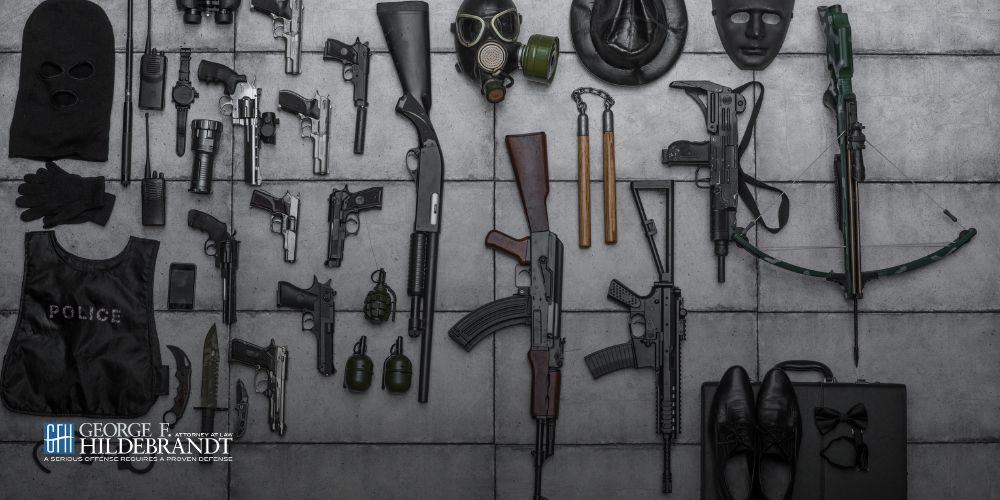
As a Syracuse, New York, weapons charge lawyer, George F. Hildebrandt, Attorney at Law, understands that gun crimes carry severe penalties that can fundamentally alter your personal and professional life. His firm defends clients throughout New York State who face criminal possession charges and other weapons offenses. Even first-time offenders may face years in prison and the permanent loss of a gun license. Attorney Hildebrandt brings extensive experience to help clients address these serious criminal charges. Contact the office at (315) 303-6533, toll-free at (800) 672-3523, or online to begin building your case today.
New York Gun Crime Lawyer – Defending Your Second Amendment Rights
New York criminal lawyers like George F. Hildebrandt fight to protect your constitutional rights while mounting an aggressive defense against weapons charges. Attorney Hildebrandt handles cases involving illegal weapon possession of handguns, rifles, and shotguns, as well as carrying concealed weapons without a proper license. As a criminal defense attorney well-versed in New York gun laws, he represents clients facing charges for possession of assault weapons, high-capacity magazines, and gun trafficking or straw purchases. Whether you face allegations of gun possession during the commission of another crime, possession by prohibited persons such as felons or domestic violence offenders, or school zone weapons violations in New York, Attorney Hildebrandt works diligently to achieve a favorable outcome.
New York Firearm Charges Lawyer: State-Level Defense Attorney
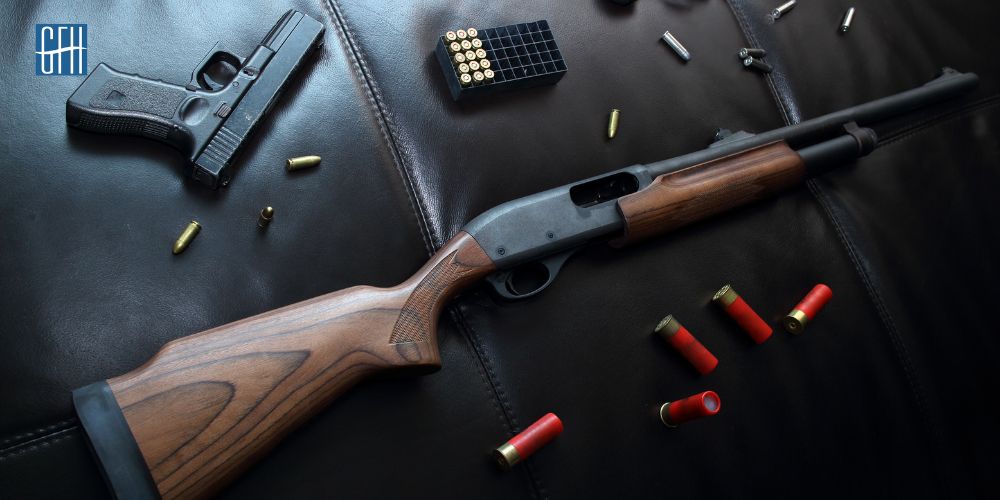
New York criminal defense attorney George F. Hildebrandt handles the full range of state-level firearm offenses that can result in serious felony convictions. As a defense attorney, he examines every element of the prosecution’s case to identify weaknesses and build strong defense strategies. Attorney Hildebrandt represents clients facing charges in New York City, Westchester County, Suffolk County, and throughout New York State. From desk appearance tickets to felony indictments requiring state prison sentences, he provides aggressive representation at every stage of your criminal case.
Criminal Possession of a Weapon
Criminal possession of a weapon charges range from a class D felony to a class B felony, depending on the circumstances and type of weapon involved. Prosecutors must prove you knowingly possessed the weapon and lacked a proper license under New York law. The charge applies to loaded firearms, unloaded firearms, and various illegal weapons as defined in the penal code. Attorney Hildebrandt challenges constructive possession claims, questions whether you had knowledge of the weapon’s presence, and examines whether police conducted a lawful search before discovering the weapon.
Criminal Possession in School Zones
Possession of a weapon in a school zone constitutes a violent felony offense with enhanced potential penalties under New York law. This charge applies when someone possesses an illegal firearm or other weapon on school grounds or within a designated distance from a school. Even individuals with a valid gun license face criminal charges for weapon possession in these protected areas. Syracuse, NY, violent crime lawyer George F. Hildebrandt examines whether the prosecution can prove you knew you were in a school zone and whether any exemptions apply to your specific situation.
Criminal Possession of a Firearm
Criminal possession of a firearm represents a class C violent felony when someone possesses an unlicensed firearm in New York. This offense carries mandatory prison time upon conviction and applies even to unloaded firearms without proper permits. Prosecutors charge this offense separately from criminal possession of a weapon in the fourth degree, which carries lesser penalties.
Possession of Illegal Weapons
New York criminal lawyers defend clients accused of possessing illegal weapons beyond traditional firearms, including metal knuckles, knuckle knives, and billy clubs. Switchblade knives and gravity knives have historically led to numerous arrests in New York City, though recent legal changes have affected their status. The law also prohibits pilum, ballistic knives, cane swords, stun guns without a license, nunchucks, and metal knuckle knives.
Criminal Use of A Firearm
Criminal use of a firearm occurs when someone possesses a loaded firearm with the intent to use it unlawfully against another person. This violent felony offense carries severe penalties, including years in prison, and applies even to first-time offenders. Prosecutors must prove you intended to use the weapon to cause harm, not merely that you possessed it.
Criminal Sale of a Firearm (Includes Disposal)
Criminal sale of a firearm charges encompass both selling and disposing of firearms without proper authorization under New York law. These offenses range from misdemeanors to class B felonies, depending on the circumstances and the buyer’s status. The law prohibits transferring firearms to convicted felons, minors, and other prohibited persons, even without financial compensation.
Aggravated Criminal Possession of a Weapon
Aggravated criminal possession of a weapon represents one of the most serious weapons charges under the New York penal code. This class C violent felony applies when someone with a prior felony conviction possesses a loaded firearm outside their home or business. The charge carries a mandatory minimum prison sentence and can result in decades of imprisonment for repeat offenders.
Assault Weapon Possession
Assault weapon possession became more heavily prosecuted following the passage of the NY SAFE Act, which expanded the definition of assault weapons. Possession of an assault weapon now constitutes a class C violent felony punishable by years in prison. The law requires registration of previously owned assault weapons and prohibits possession of newly acquired ones.
Manufacture, Transport, Disposition, and Defacing Weapons
Manufacturing, transporting, disposing of, or defacing weapons charges address various illegal activities involving firearms beyond simple possession. Defacing a weapon by removing serial numbers constitutes a separate felony offense under New York law. Transporting illegal firearms or manufacturing weapons without proper federal and state licenses results in serious criminal charges.
Unlawful Possession of Weapons By Persons Under Sixteen
Unlawful possession of weapons by persons under sixteen addresses situations where minors possess firearms or other dangerous weapons. Parents and adults who provide weapons to minors face separate criminal charges for facilitating youth access to firearms. New York law imposes strict liability in some circumstances, meaning prosecutors need not prove the minor intended to use the weapon unlawfully.
Criminal Possession of Ammunition
Criminal possession of ammunition charges can apply even when no firearm is present in your possession. New York law prohibits possession of certain types of ammunition, including armor-piercing ammunition designed to penetrate body armor. Recent legislation expanded restrictions on the purchase and possession of ammunition by prohibited persons.
Failure to Store Firearms Safely
Failure to store firearms safely became a separate criminal offense designed to prevent minors from accessing weapons. Gun owners must secure firearms with trigger locks or in locked containers when they know minors might access them. Violations can result in misdemeanor or felony charges, depending on whether a minor actually accessed the weapon.
New York Federal Weapon Offense Lawyer: Criminal Charges At the Federal Level
Federal weapons charges carry different elements, procedures, and penalties than state prosecutions in New York. Federal prosecutors in Manhattan and Brooklyn pursue weapons cases that cross state lines or involve prohibited persons. Federal convictions often result in longer prison sentences than comparable state charges and trigger immigration consequences for non-citizens.
Felon in Possession of a Weapon
A felon in possession of a weapon constitutes a federal crime when someone with a prior felony conviction possesses any firearm or ammunition. Federal law prohibits firearm possession by convicted felons regardless of whether they completed their sentence years ago. This offense carries a maximum sentence of up to 10 years in federal prison and applies even when the person possessed the weapon legally under state law.
Using/Carrying Firearm During Crime of Violence
Using or carrying a firearm during a crime of violence under 18 U.S.C. § 924(c) triggers mandatory minimum sentences that stack on top of the underlying offense. Federal prosecutors pursue these charges aggressively, and the mandatory sentences start at five years but can reach decades in prison depending on whether the firearm was brandished or discharged. The statute applies even when the defendant never fired the weapon or threatened anyone, as mere possession in furtherance of the crime suffices.
Interstate Firearms Trafficking
Interstate firearms trafficking involves transporting weapons across state lines for illegal sale or distribution. Federal prosecutors charge these offenses when guns purchased in states with less restrictive laws flow into New York. The charges often involve multiple defendants and conspiracy allegations that can implicate people who never physically possessed the weapons.
Straw Purchasing
Straw purchasing occurs when someone with a clean record purchases firearms on behalf of prohibited persons who cannot legally buy guns. Federal law requires buyers to certify that they are the actual purchaser and not acquiring the weapon for someone else. Conviction for straw purchasing results in federal felony charges even when the ultimate recipient could legally possess firearms under state law.
New York Gun Laws – Licensing and Requirements
New York gun laws impose some of the strictest firearms regulations in the nation, requiring licenses for possession of handguns and permits for concealed carry. Understanding these complex statutes proves essential for anyone who owns firearms or faces weapons charges in New York. We also represent individuals whose professional licenses are at risk due to weapons convictions.
Can You Carry a Gun in New York?
Carrying a gun in New York requires a valid pistol license issued by the county where you reside or, for New York City residents, by the NYPD. You cannot legally carry a loaded firearm in public without proper licensing, even if you legally own the weapon for home possession. Rifles and shotguns face different regulations than handguns, but transporting them requires compliance with specific rules regarding how the weapons must be secured.
New York Gun Laws Concealed Carry: After Bruen
New York’s concealed carry laws underwent major changes following the 2022 Supreme Court decision in . The Court struck down New York’s requirement that applicants demonstrate “proper cause” to obtain a concealed carry license, ruling it unconstitutional under the Second Amendment. In response, New York enacted new legislation designating numerous “sensitive locations” where carrying firearms remains prohibited even with a valid permit, creating complex regulations that gun owners must navigate.
Are Gravity Knives Legal In New York?
Gravity knives faced aggressive prosecution in New York City for years until the state legislature changed the law in 2019. The previous definition of gravity knives led to the arrests of workers carrying common folding knives for legitimate purposes. Current New York law defines gravity knives more narrowly, but switchblade knives and other automatic knives remain illegal.
Can You Own A Gun in New York?
You can own a gun in New York if you do not fall into a prohibited category under state or federal law. Convicted felons from any state or federal jurisdiction cannot legally possess firearms in New York. Individuals with misdemeanor domestic violence convictions, active orders of protection, involuntary mental health commitments, controlled substance convictions, or dishonorable discharges from the military face prohibitions on gun ownership.
New York Pistol Permit Requirements
New York pistol permit requirements vary by county, but generally require applicants to demonstrate good moral character and complete a firearms safety course. Applicants must submit fingerprints, provide character references, and undergo a background check conducted by police departments. The permitting process can take months or even years in some jurisdictions, such as New York City.
New York Handgun Laws
New York handgun laws require licensing for both possession and carrying of pistols and revolvers. You must obtain a pistol license before you can legally purchase or take possession of a handgun in New York. The license must specify whether it authorizes only premise possession or allows concealed carry outside the home.
New York Rifle and Shotgun Laws
New York rifle and shotgun laws generally do not require licensing for possession, though New York City imposes additional permit requirements. Owners must comply with the SAFE Act’s registration requirements for assault weapons and restrictions on magazine capacity. Transporting rifles and shotguns requires the weapons to be unloaded and secured during transport in vehicles.
Criminal Case Defense Strategies for New York Weapons Charges

Illegal search-and-seizure defenses focus on Fourth Amendment violations and seek to suppress evidence obtained through unlawful police conduct. Lack of possession defenses argue that the gun belonged to someone else, and you had no knowledge of its presence in the vehicle or location. Lack of operability defenses demonstrate the firearm was broken or inoperable and therefore did not meet the legal definition of a weapon. Exemptions apply when you hold a valid license or permit from another jurisdiction with FOPA protection during interstate travel.
Constructive possession challenges argue that multiple people had access to the location where police found the weapon. Miranda violations result in suppression of statements obtained illegally after your arrest. Valid New York pistol licenses prove legal possession and may result in charges being dismissed. Grandfathered weapons under the NY SAFE Act receive protection if properly registered before the deadline. Having a license valid in the county where you face charges demonstrates legal authority to possess the weapon in that jurisdiction.
Collateral Consequences of New York Gun Convictions
A conviction for illegal possession of a firearm or other weapons charges creates serious consequences that extend far beyond your criminal sentence. Immigration consequences include deportation for non-citizens since weapons offenses often constitute aggravated felonies under federal immigration law. Professional licenses may be revoked or denied, including those in law enforcement, security, and the legal profession that require good moral character.
Employment barriers arise in law enforcement, education, healthcare, and other positions that require background checks or security clearances. Federal gun rights face a lifetime prohibition, permanently barring you from possessing firearms under federal law, even after completing your sentence. Voting rights become restricted as felony convictions affect your ability to vote while incarcerated in New York. Public housing eligibility is lost after a conviction for a weapons offense, as such convictions make applicants ineligible for NYCHA and Section 8 housing programs that provide affordable housing options.
Contact a New York Firearm Charges Lawyer For A Consultation
New York firearm charges lawyer George F. Hildebrandt, Attorney at Law, provides aggressive defense representation for clients throughout New York State facing criminal possession charges, illegal weapons allegations, and federal firearms offenses. Attorney Hildebrandt understands the life-altering consequences of weapons convictions and fights to protect your freedom, professional life, and future opportunities. He offers a confidential consultation to evaluate your case and explain your legal options for achieving the best possible outcome. Contact the office at (315)303-6533, toll-free at (800) 672-3523, or online to begin building your defense today.