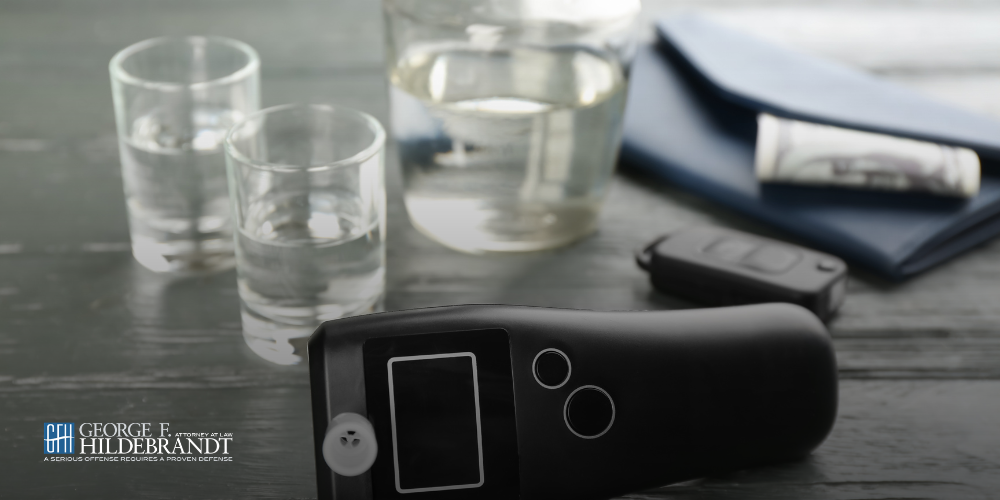
What Happens After a Failed Breathalyzer Test? In New York, a failed breathalyzer test can lead to DWI charges, license suspension, and other penalties, but the result does not automatically prove guilt. Police must follow required testing procedures, and problems with the traffic stop, testing process, or device may affect the evidence. A Syracuse DWI attorney can review the facts of your case and identify possible defenses.
Contact George F. Hildebrandt, Attorney at Law, today at (315) 303-6533, toll-free at (800) 672-3523, or online for a consultation.
What Is a Breathalyzer Test?
Failing a breathalyzer test can trigger serious legal consequences for New York drivers. A breathalyzer test estimates blood alcohol concentration by measuring alcohol in a breath sample. Police may use roadside screening devices before an arrest and post-arrest chemical breath tests at a police station. Both types of breath test results can be used as evidence in a DWI case. Understanding the difference between these devices and their limitations is important in evaluating the strength of the prosecution’s evidence.
How Does a Breathalyzer Work?
A breathalyzer analyzes a breath sample for alcohol vapor using fuel cell technology. The device uses that sample to estimate blood alcohol concentration. Understanding what a chemical breath test is helps many drivers recognize how these devices work and where errors can occur. Accuracy depends on proper device operation, device calibration, timing, and equipment maintenance. An observation period before testing is required to reduce the risk of mouth alcohol affecting the result. Problems with any of these factors may raise questions about the reliability of breathalyzer results.
What Does It Mean To Fail a Breathalyzer?
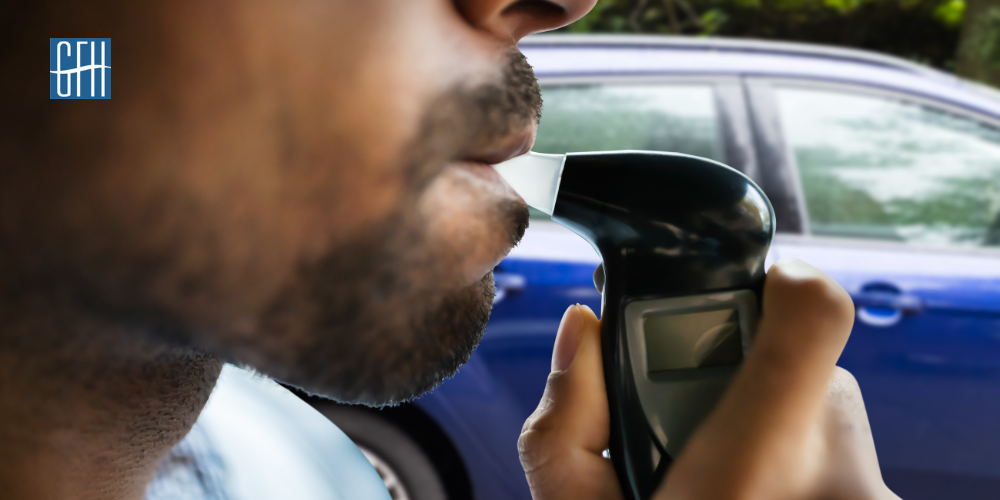
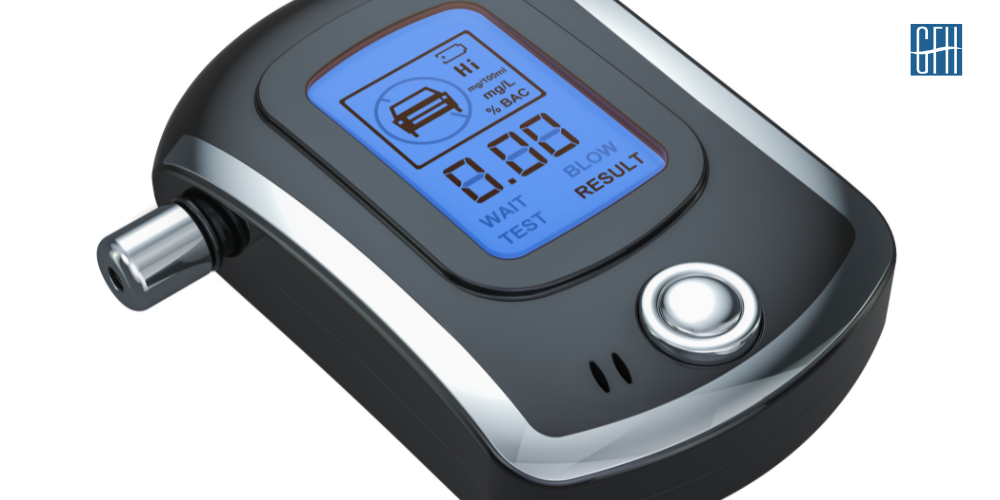
A failed result generally means the BAC reading is at or above the legal limit. In New York, a .08% blood alcohol concentration may support a DWI charge according to the New York State Department of Motor Vehicles. Higher alcohol level readings may lead to more serious allegations, including Aggravated DWI charges. The failed breathalyzer test result is not the only evidence in a DUI arrest, and an attorney can evaluate the full picture. Police and prosecutors may also consider officer observations, field sobriety test performance, and other evidence collected during the investigation.
Understanding how much alcohol affected the breath sample is an important part of evaluating the failed test. Factors such as the timing of alcohol consumption, the testing process, and the reliability of the breathalyzer results may all affect how the evidence is interpreted.
Potential Consequences of a Failed Breath Test in NY
A failed breath test can trigger a range of serious consequences for New York drivers. A Syracuse, New York, first-offense DWI lawyer at George F. Hildebrandt can help first-time offenders understand their options, while a Syracuse felony DWI lawyer handles more serious DUI charges.
A New York suspended license lawyer can review your case and explain the potential consequences of a failed test.
Consequences that may affect your driving privileges:
- Criminal charges
- License suspension or revocation
- Mandatory alcohol evaluation and/or treatment programs
- Fines
- Ignition interlock device (IID) program
- Higher insurance costs
The consequences of a failed breathalyzer test can extend beyond the initial arrest. Understanding the potential long-term consequences of a failed test allows drivers to make informed decisions after a DWI arrest and respond appropriately to the failure.
Can You Fail a Breathalyzer Even If You Do Not Feel Intoxicated?
Yes. A person may feel fine while still having a blood alcohol concentration over the legal limit. Tolerance, food intake, body weight, and alcohol consumption can all affect how drinking feels. BAC may also continue rising after a person stops drinking, which is a common issue in breathalyzer cases.
A breathalyzer result taken a few minutes after a traffic stop may reflect a higher alcohol level than the driver experienced while driving. This distinction between test results and actual impairment is an important factor in evaluating a failed breathalyzer test.
What Happens If You Refuse a Breathalyzer Test?
Refusing a post-arrest chemical breath test can lead to separate DMV penalties under New York law. Understanding if you can refuse a breathalyzer test explains the specific consequences of refusal, including license suspension, civil penalties, and revocation of driving privileges. These administrative penalties may apply even if you are not ultimately convicted of a DWI. A refusal can also affect your ability to challenge the suspension of your driving privileges.
A refusal may also be used against a driver in court proceedings as evidence of consciousness of guilt. The prosecution may argue that the refusal reflects an attempt to avoid producing evidence of blood alcohol concentration, although the defense may challenge that interpretation based on the facts of the case.
Refusal issues should be reviewed by a DUI attorney as soon as possible after a DUI arrest. An attorney can evaluate the specific circumstances of the refusal, explain the legal implications, and advise on the best course of action.
Can You Challenge a Failed Breath Test?
Yes. Breath test evidence may be challenged in certain cases depending on the specific circumstances. Remember that you can challenge a breath test and that an attorney may review the traffic stop, arrest, testing process, and device calibration records. Problems with the evidence, procedural errors, procedural mistakes, or improper handling of the device may affect the result’s use in court.
Scientific evidence, officer reports, and machine records all play a role in evaluating a challenge to breathalyzer results. George F. Hildebrandt examines every aspect of the testing process to identify possible weaknesses in the prosecution’s case.
Possible False Positives and Errors in Breathalyzer Cases
Several factors can contribute to false positives or errors in breathalyzer cases. Mouth alcohol from residual alcohol, alcohol-based mouthwash, or breath sprays may affect a breathalyzer reading. Acid reflux, certain medical conditions, and environmental conditions may also affect the accuracy of a breath test result.
Reading about how common false positives are during breath tests can help drivers understand how these issues arise. Energy drinks, improper handling, and a poorly calibrated device may all produce unreliable test results. An officer who was not properly trained on device operation may also contribute to errors in the testing process. In such cases, medical records and scientific evidence can help support a challenge to the accuracy of the failed breath test.
Building a DWI Defense Strategy After a Failed Test
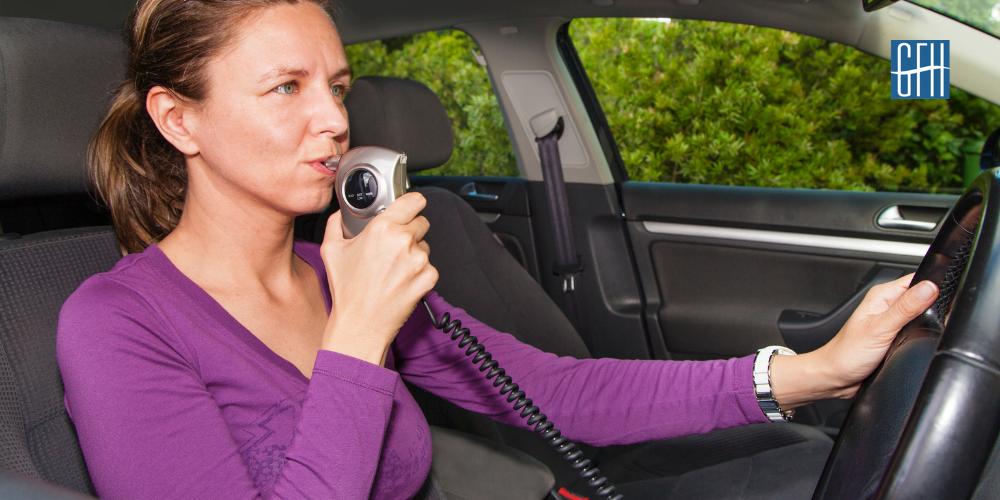
Building an effective defense strategy after a failed breathalyzer test begins with a thorough review of the evidence. An attorney reviews police reports, officer reports, video footage, device calibration records, and the timeline of events surrounding the DUI arrest. Field sobriety tests are not always accurate and may also be challenged as part of the defense strategy.
A successful defense depends on the facts of each case. The table below highlights some of the key areas an attorney may review when evaluating a failed breathalyzer test.
| Defense Strategy | Why It Matters |
| Review the traffic stop | Determines if police had probable cause to stop the vehicle. |
| Examine breath test procedures | Identifies procedural errors that may affect the results. |
| Review device calibration records | Shows whether the breathalyzer was properly maintained and calibrated. |
| Analyze the observation period | Determines if officers followed required testing procedures to reduce mouth alcohol contamination. |
| Evaluate medical records | Identifies medical conditions that could affect breathalyzer results. |
| Review officer reports and witness statements | Compares the evidence for inconsistencies or missing details. |
| Analyze scientific evidence | Tests the reliability of the breathalyzer results and the prosecution’s evidence. |
Medical records, witness statements, and scientific evidence may all contribute to the overall defense. The defense examines probable cause for the traffic stop, the observation period before testing, and any procedural mistakes made during the arrest. An attorney builds a defense based on the specific circumstances of each individual case.
How An Experienced Criminal Defense Attorney Helps Clients Facing New York DWI Charges
An experienced DUI attorney can evaluate the traffic stop, arrest, breath test, and possible license penalties. They may challenge breathalyzer results, review procedural errors, negotiate with prosecutors, and represent the client in court. Reading about what to do after A DWI can help drivers understand the importance of acting quickly after a DUI arrest.
Early legal help can protect driving privileges, preserve important evidence, and allow clients to make informed decisions about their case. An attorney can also address ignition interlock test device requirements, the IID program, rolling retests, and random retest obligations that may follow a DWI conviction. George F. Hildebrandt provides guidance to drivers in Syracuse and Central New York after a failed breathalyzer test.
Failed a Breathalyzer Test? Contact Syracuse DWI Attorney George F. Hildebrandt Today
Contact Attorney George F. Hildebrandt promptly after a failed breathalyzer test or DWI arrest. Early legal guidance may help protect your license and evaluate possible defenses before important evidence is lost. An attorney can review the testing process, the traffic stop, probable cause for the arrest, device calibration records, and any available blood tests to identify possible defenses.
Legal counsel can also explain what to expect throughout the court process, address questions about license suspension, and determine if participation in New York’s interlock program may apply to your case. Syracuse and Central New York drivers can discuss the specific circumstances of their case directly with the firm.
Call today at (315) 303-6533, toll-free at (800) 672-3523, or contact the firm online to schedule a consultation. George F. Hildebrandt provides personalized legal guidance based on the facts of each case and works to develop an effective defense strategy tailored to your situation.